
Why Treating Suffering is Always the Moral Choice
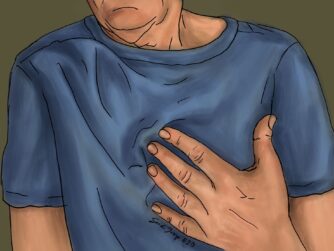
Does morphine hasten death at the end of life? This is one of the most common—and most distressing—questions families ask in hospice and palliative care.
“If you hold their hand and they die, did holding their hand cause the death? No, the cancer or whatever disease process is going on is the cause of death and everything we do to make their end-of-life pain free, comfortable, or offers human connection and love is the right thing to do in the situation”
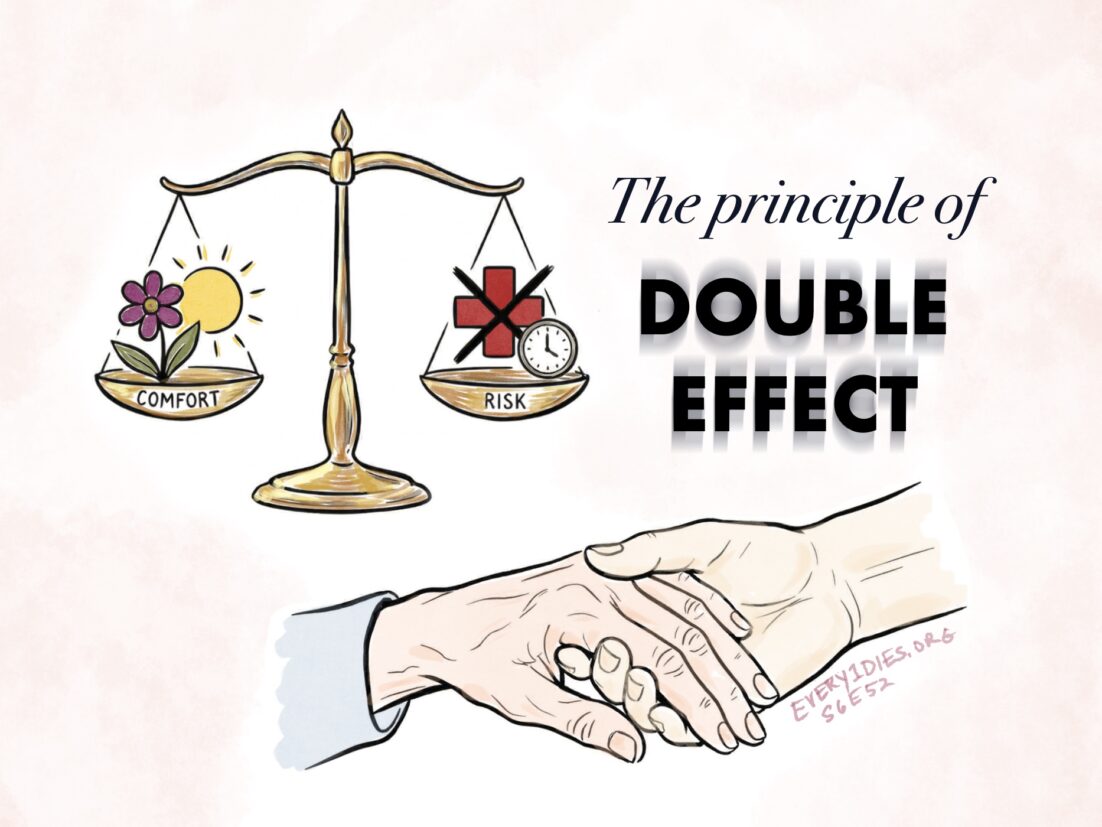
In this episode, we dive into a gripping storyline from the HBO drama The Pitt, where a patient named Lisa chooses to stay in the ER to manage her terminal cancer pain rather than return home. When the medical team expresses concern that her escalating morphine doses might kill her, the department chief cites the “Principle of Double Effect.” But what does that actually mean for those of us in the real world caring for a dying loved one?
Join us as we break down this centuries-old ethical framework and apply it to modern hospice and palliative care. We explore:
- The Four Conditions: The specific moral “rules” that distinguish between providing relief and causing harm.
- Intent vs. Consequence: Why your goal to relieve suffering is the most important factor.
- The Science of Safety: Why 20+ years of medical studies prove that appropriately managed opioids do not hasten death.
- Overcoming Guilt: Remembering that the illness is the cause of death—not the compassion you provide in the final hours.
Suffering at the end of life is not necessary. Whether you are a healthcare professional or a family caregiver, this episode offers the ethical and scientific clarity you need to provide comfort without fear.

In This Episode:
- 00:00 – Intro: The Pitt, Paper Charting, and the Loss of Cursive Handwriting
- 08:11 – Aristotle: What is an Ideal Life?
- 11:46 – From “The Pitt”: What is the Principle of Double Effect and How it is Applied in Healthcare?
- 19:04 – The Facts: Opioids Do Not Hasten Death in Terminally Ill People; the Value of Comfort at the End of Life
- 21:39 – A Nurse’s Letter on How to Help People Facing the End of Their Life
- 23:00 – Outro: Every Day is a Gift
Does Morphine Hasten Death? Understanding the Principle of Double Effect
One of the most emotionally charged moments in end-of-life care happens when someone is asked to give pain medication—often morphine—to a person who is dying.
The question comes quickly, and often with fear:
“What if this is what causes them to die?”
It’s an understandable concern. But it’s also one rooted in misunderstanding.
The Reality of End-of-Life Symptoms
People with advanced illness frequently experience:
- Pain
- Shortness of breath (dyspnea)
- Severe agitation
These symptoms are not only distressing—they can be overwhelming. Medications like morphine are used because they are highly effective at relieving this suffering. Yet, despite decades of research and clinical experience, fear persists that these medications may hasten death.
The Principle of Double Effect
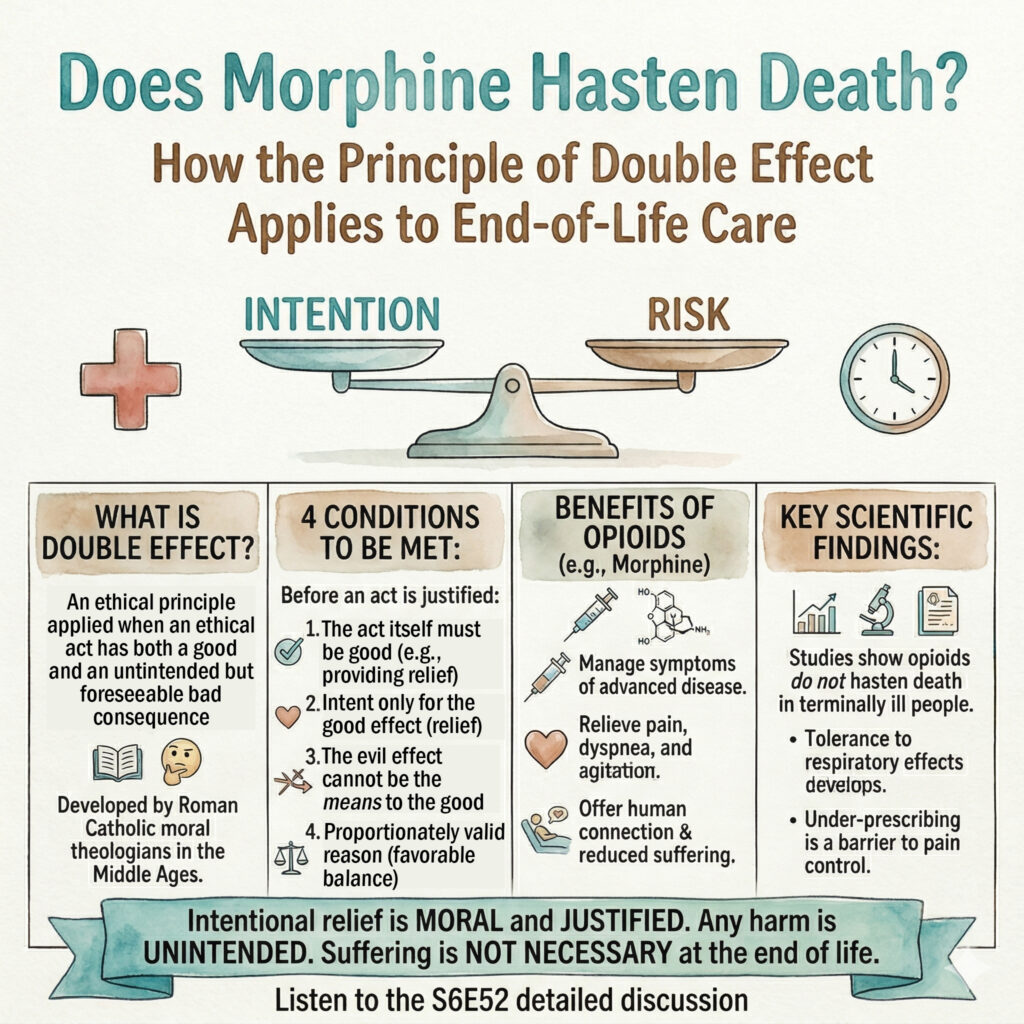
This is where the principle of double effect comes in. Developed in moral theology and widely used in medical ethics, this principle helps guide decisions when an action has both: a good effect (relief of suffering), and a potentially harmful effect (such as respiratory suppression)
For an action to be ethically justified, four conditions must be met:
- The act itself must be good or morally neutral
→ Giving medication for pain relief meets this standard. - The intent must be to achieve the good effect only
→ The goal is comfort—not death. - The harmful effect cannot be the means to the good effect
→ Relief of pain does not require causing death. - There must be proportional benefit over harm
→ Relief of significant suffering outweighs the potential risks.
What the Evidence Actually Shows
Studies spanning more than two decades consistently demonstrate when used appropriately, opioids like morphine do NOT hasten death. In fact:
- Patients often develop tolerance to respiratory effects
- Proper dosing is carefully titrated
- Under-treatment of pain remains a far greater problem than over-treatment
The Real Risk: Untreated Suffering
Fear of “causing death” can lead to hesitation—and that hesitation can result in unnecessary suffering. At the end of life, every moment matters. There will always be a “last”:
- the last conversation
- the last touch
- the last breath
But those moments are shaped by the disease—not by compassionate care.
What You Should Remember
If you are ever in the position of giving medication to someone who is dying:
- Your intention matters
- Comfort is appropriate care
- Suffering is not required
- You are not causing death—you are easing the path toward it
And sometimes, the most ethical thing you can do…is relieve pain.
Common Questions About Morphine and the Principle of Double Effect
1. Does morphine actually hasten death in terminal patients?
No. Scientific studies spanning over 20 years show that appropriately titrated opioids (like morphine) used to manage pain and breathlessness do not hasten death in terminally ill people. While morphine can affect respiration, patients develop a rapid tolerance to these respiratory effects while still receiving the benefit of pain relief.
2. What is the Principle of Double Effect in hospice care?
The Principle of Double Effect is an ethical framework used when an action has both a good potential consequence (pain relief) and a foreseeable but unintended bad consequence (risk of respiratory depression). As long as the intent is solely to relieve suffering and the “bad effect” isn’t the means to achieve the good, the action is considered moral and justified.
3. Is the morphine scene in HBO’s The Pitt realistic?
Yes. The Pitt accurately portrays the tension medical teams feel when managing escalating pain. The episode correctly identifies that when a patient like Lisa has intractable cancer pain, increasing the dose to achieve comfort is an ethical necessity, even if it carries a foreseeable risk.
4. How can I tell if morphine is causing death or providing relief?
It is a common fear to think the “last dose” caused the death. However, in palliative care, we look at the intent. If the medication is given to ease “air hunger” or severe agitation, and the patient passes away shortly after, it is the underlying disease (such as cancer or organ failure) that caused the death—the morphine simply ensured they were not in distress when it happened.
5. Why is under-prescribing pain medication considered a barrier to care?
When clinicians or caregivers are afraid of the “Double Effect,” they may under-prescribe, leaving the patient in unnecessary agony. As discussed in S6E52, suffering at the end of life is not necessary. Understanding that intentional relief is moral allows caregivers to provide the full dose required for true comfort. Listen to the episode for a full explanation.
Related Content:
If you found our discussion on the Principle of Double Effect helpful, you may also want to check out our episodes where we discuss the specific medications and non-pharmacological approaches used to ensure comfort in the final days.
- S5E9: What are the Barriers to Pain Management at the End of Life?
- S5E10: How Being In Pain Hurts You More than You Think
- S5E11: Why is Appropriate and Safe Pain Management Important? with Patrick Coyne
- S4E26: Understanding How Breakthrough Cancer Pain is Managed
- S2E11: Midwives for the End of Life (Death Doula, as seen in The Pitt)
References:
- Produced for the New Hampshire Breast Coalition by JBC Communications (1998). Caring for Mo. Exeter, New Hampshire, [video: VHS].
- YaleCares Newsletter – February 2010
- Tarzian, A. J. (2018). Ethical Aspects of Palliative Care. In M. Matzo and D. Sherman 5th Edition (Ed.). Palliative Care Nursing Education: Toward Quality Care at the End of Life, p 49-78. Springer Publishing Company, New York.
- Sykes, N.P. (2007). Morphine kills the pain, not the patient. Lancet.;369(9570):1325-6. https://doi.org/10.1016/S0140-6736(07)60611-4
Resources
- Finley, C. 2025. “Living Your Best Life: Aristotle’s Nicomachean Ethics, Book X.” The Philosophy Teaching Library. Edited by Robert Weston Siscoe, https://philolibrary.crc.nd.edu/article/living-your-best-life/
- Managing your pain and other symptoms during a life-limiting illness
- Support for People with Cancer: Cancer Pain Control – National Cancer Institute (PDF Booklet)
- This booklet can apply to any type of chronic pain, with questions to ask a care team, pain diary, and lots of tips!
- Palliative Care Methods for Controlling Pain – Johns Hopkins
- The Importance of Cultural Competence in Pain and Palliative Care (Targeted to healthcare professionals)
- Recipe of the Week: Italian Hoagie Dip

https://blog.feedspot.com/palliative_care_podcasts/

Everyone Dies: and yes, it is normal!
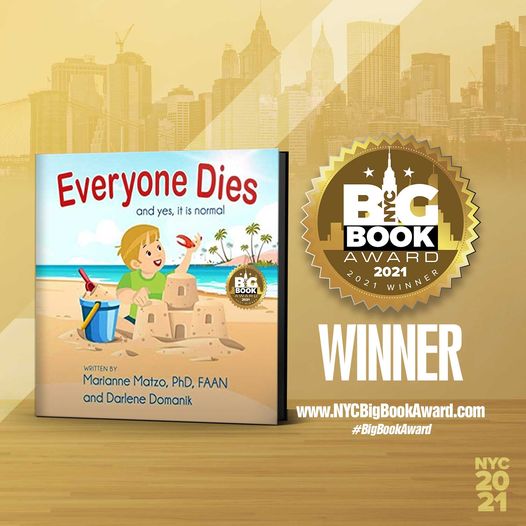
Everyone Dies (and yes, it is normal) is a story about a young boy named Jax who finds something special on the beach where he and his grandpa Pops are enjoying a wonderful day. Pops helps Jax understand that death is a normal part of life. This book provides an age appropriate, non-scary, comfortable way to introduce the important topic of mortality to a preschool child. Its simple explanation will last a lifetime. Autographed copies for sale at: www.everyonediesthebook.com. Also available at Amazon
Mourning Jewelry

We offer a way to memorialize your loved one or treasured pet with a piece of handmade jewelry. When people comment on it and the wearer can say for example “I received this when my mother died” which opens the conversation about this loss. All our jewelry is made with semi-precious stones and beads, vintage beads, and pearls. You can choose between earrings or bracelets and the color family. Learn More