
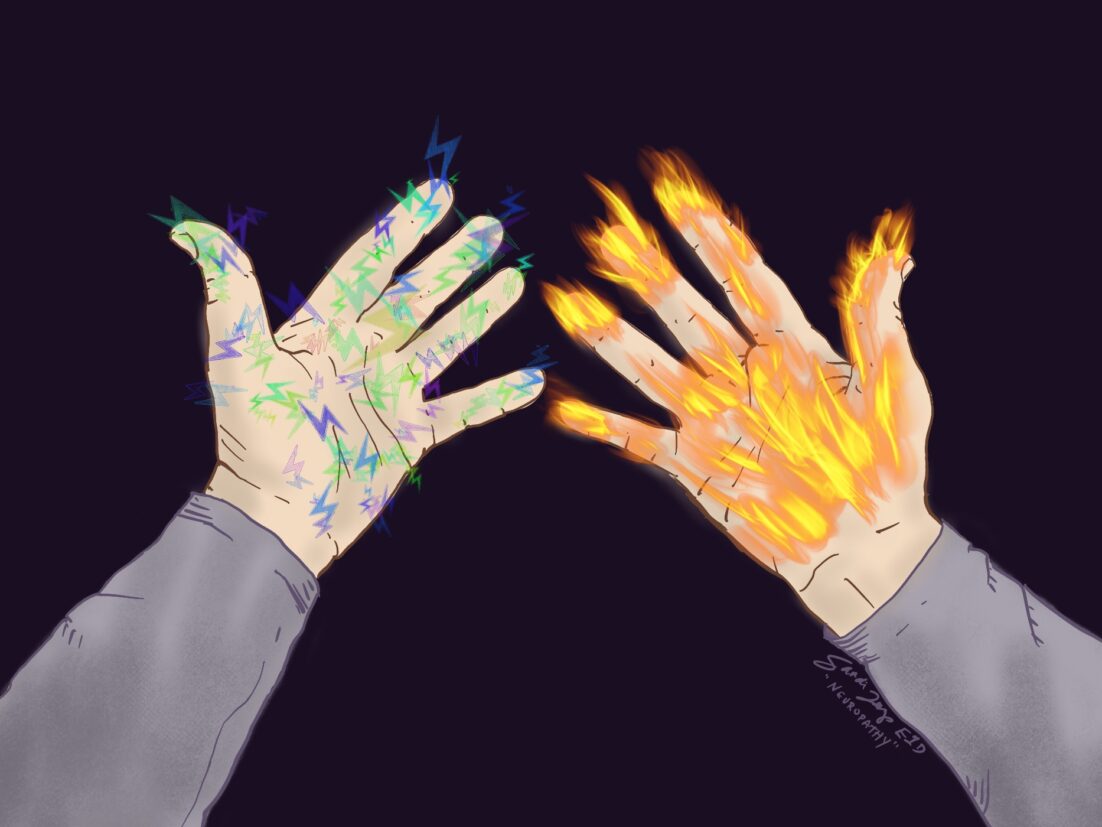
Have burning, electric shocks, tingling or numbness after chemo? Learn why and how to manage it.
In this episode, we dive into a common but often overlooked side effect of chemotherapy; chemotherapy-induced peripheral neuropathy (CIPN). Up to 40% of cancer survivors who receive certain chemotherapy drugs experience tingling, numbness, pain, or weakness in their hands and feet.
We’ll unpack which drugs are most likely to cause CIPN, why it happens, what symptoms to watch for, and how to manage or even improve function over time. From medications to physical and occupational therapy, balance training, and lifestyle strategies, this episode offers evidence-based insights to help cancer survivors and caregivers better understand and cope with CIPN.
In this Episode:
- 00:00 – Intro: Understanding Chemotherapy-Induced Peripheral Neuropathy (CIPN)
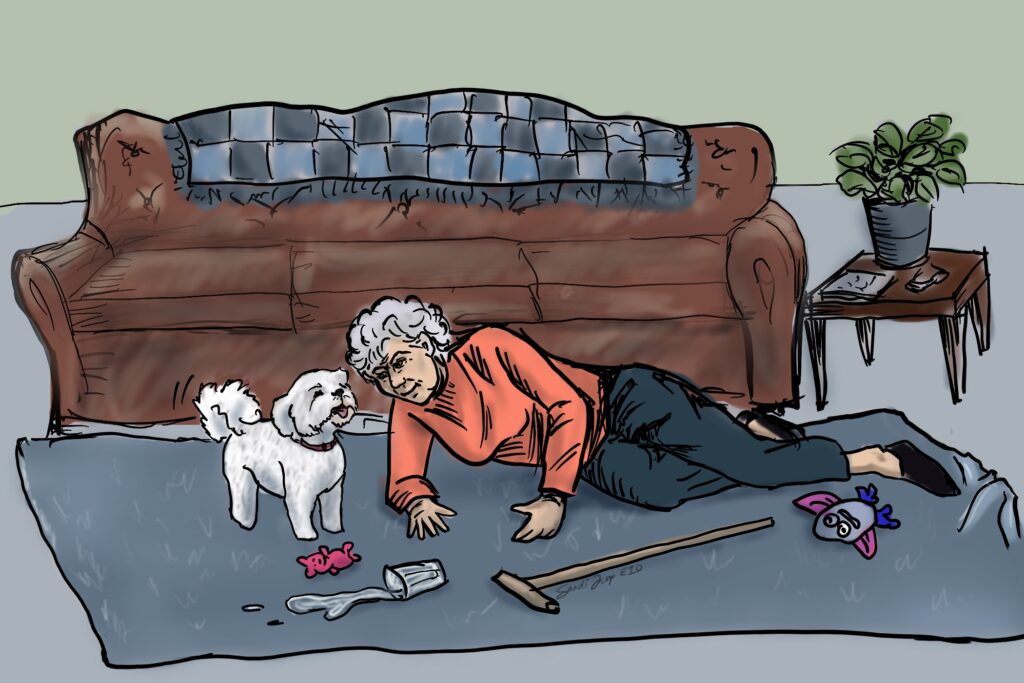
- 02:07 – Marge Simpson and Santa’s Little Helper’s Visit to “The Pitt” ED
- 05:33 – What is Chemotherapy-Induced Peripheral Neuropathy (CIPN)
- 06:29 – Why Chemo Causes Pins and Needles (The Science of Nerve Damage)
- 09:11 – Is there Hope of Recovering from CIPN? Treatment Options and Lifestyle Considerations
- 13:40 – The Lived Experience of Chemotherapy-Induced Peripheral Neuropathy
- 20:54 – Outro
Understanding Chemotherapy-Induced Peripheral Neuropathy (CIPN)
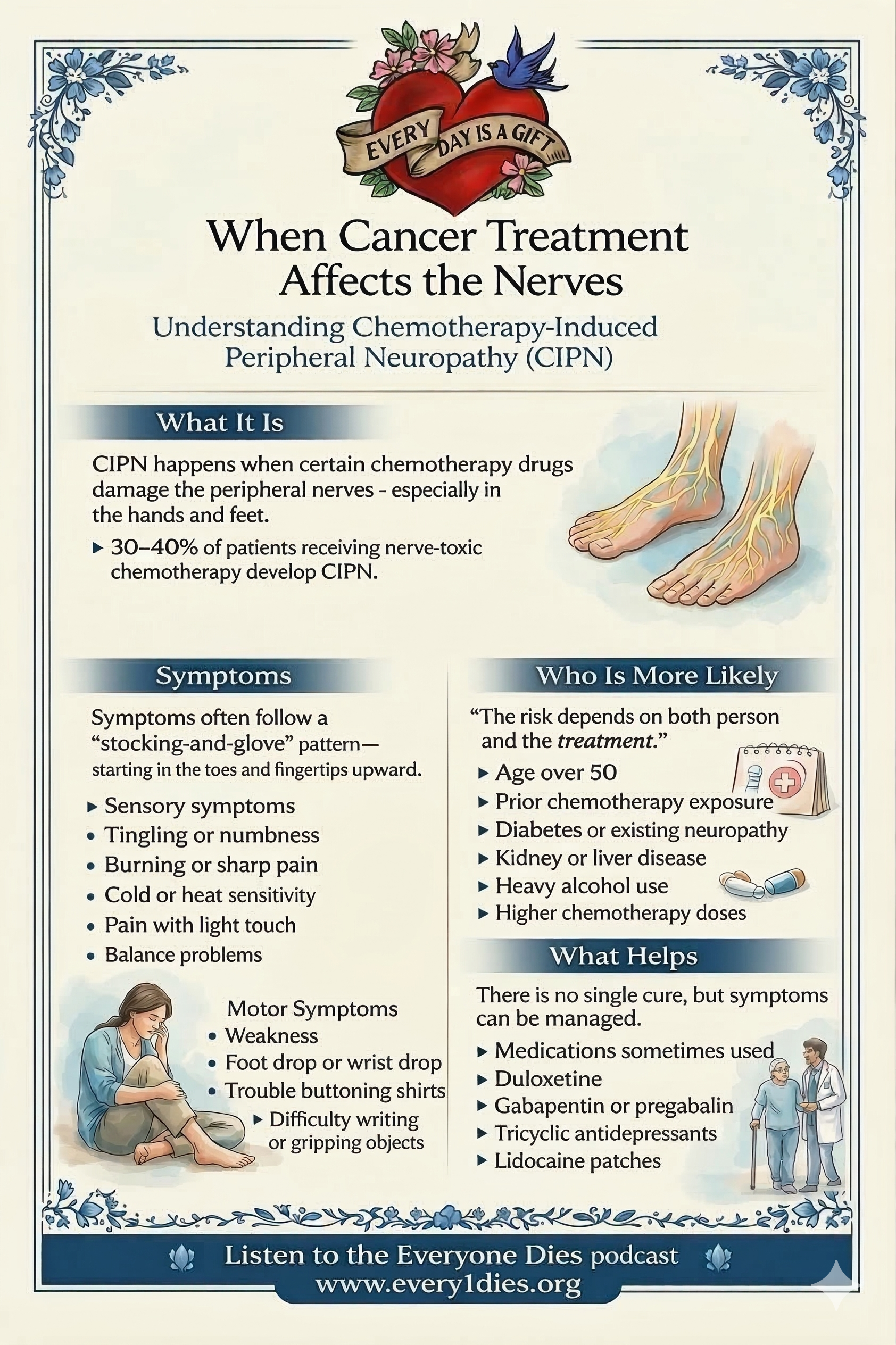
Many people think of chemotherapy as something that only affects the hair, stomach, or immune system. However, for many cancer survivors, it also affects the nervous system. This condition is known as Chemotherapy-Induced Peripheral Neuropathy (CIPN).
CIPN occurs when specific chemotherapy drugs damage the small nerves that carry messages between your brain, spinal cord, and body—most notably in the hands and feet.
Common Symptoms of Nerve Damage After Chemo
If you are experiencing the “stocking and glove” effect, you might notice:
- Tingling, numbness, or a “pins and needles” sensation.
- Burning sensations or sharp nerve pain.
- Muscle weakness and trouble with balance.
- Difficulty with fine motor skills, such as buttoning a shirt or holding a pen.
Who is at Risk for CIPN?
You are not alone; roughly 30–40% of patients undergoing neurotoxic chemotherapy experience some level of neuropathy. The risk is often higher for:
- Individuals over the age of 50.
- Those with pre-existing conditions like diabetes, or liver and kidney issues.
- Patients who have had previous exposure to neurotoxic chemotherapy drugs.
Treatment and Management: How to Manage CIPN Symptoms
While there isn’t a “one-size-fits-all” cure, there are several evidence-based ways to support nerve regeneration and improve your quality of life.
- Medical Interventions: Medications such as duloxetine, gabapentin, or pregabalin may be prescribed to reduce nerve pain.
- Therapeutic Support: Acupuncture, physical therapy, and occupational therapy are vital for regaining strength and coordination.
- Fall Prevention: Since CIPN increases fall risk, balance training and gait exercises are essential for stability.
- Home Safety: Simple changes—like removing throw rugs, improving lighting, and wearing supportive footwear—can prevent injuries.
- Nutrition for Nerve Health: An anti-inflammatory diet rich in leafy greens, healthy fats, and lean proteins may support the healing process.
How Long Does it Take for Nerves to Heal?
Nerves regenerate slowly—at a rate of about one millimeter per month. Because of this slow timeline, improvement can take months or even years. Patience and consistent physical activity are key to the recovery process.
Finding Hope and Independence After Cancer
You’ve faced cancer, and you have the strength to navigate this recovery, too. While CIPN is frustrating, you are not powerless. By working with your healthcare team and focusing on safety and function, you can reclaim your confidence.
Listen to the full episode of the “every1dies” podcast to learn more about staying safe, independent, and functional after cancer treatment.
Frequently Asked Questions About CIPN
1. Is nerve damage from chemotherapy permanent?
Recovery from CIPN is inconsistent. Because nerves regenerate slowly (about 1 mm per month), many people see significant improvement over a year or two. However, for some, the damage may be long-lasting. Early intervention with physical therapy and discussing dose adjustments with your oncologist are key.
2. What does the “stocking and glove” effect feel like?
This is the most common pattern of CIPN, where numbness, tingling, or pain starts at the tips of the fingers and toes and moves up the limbs—similar to the areas covered by gloves or socks. It often affects both sides of the body equally.
3. Which chemotherapy drugs are most likely to cause neuropathy?
The most common “neurotoxic” drugs include platinum-based agents (cisplatin, oxaliplatin), taxanes (paclitaxel, docetaxel), and vinca alkaloids (vincristine). If you are prescribed these, your care team should monitor your nerve health closely.
4. How can I prevent falls if I have numbness in my feet?
Safety is a priority with CIPN. You can reduce fall risk by:
- Using your eyes to watch your feet as you walk (visual compensation).
- Removing trip hazards like throw rugs or cluttered walkways.
- Installing grab bars in the bathroom and ensuring high-contrast lighting in hallways.
- Performing daily balance and lower-extremity strengthening exercises.
5. Can diet help with peripheral neuropathy recovery? While no specific food “cures” CIPN, an anti-inflammatory diet rich in B vitamins (especially B1, B6, and B12), leafy greens, and healthy fats can support the nervous system’s natural healing environment.
Related Content:
- S1E03: What is Palliative Care? (Learn how palliative care envelops symptom management along a treatment path, such as chemotherapy side effects.)
- S4E37: A Family’s Perspective on Palliative Care – with Connie Baker
- S5E25: The Important Role of the Microbiome to Your Health and Immune Function (Good nutrition is important to neuron regeneration)
- S5E4: Inflammation: What it is, How It Causes Disease, and How You Can Decrease It
- All Cancer Topics (“Everything You Wanted to Know About Cancer, But Didn’t Have Anyone to Ask“)
References:
- Kim, E. Y., & Hong, S. J. (2023). Real-Life Experiences of Chemotherapy-Induced Peripheral Neuropathy in Patients with Cancer: A Qualitative Meta-Synthesis Study. Seminars in oncology nursing, 39(5), 151499. https://doi.org/10.1016/j.soncn.2023.151499
- ‘The Simpsons’ EP Reveals Which Character’s Death Would Be the “End of Everything” After 800 Episodes
- Stubblefield, M., Burstein, H., Burton, A., Custodio, C., Deng, G., Ho, M., Junck, L., Morris, G., Paice, J., Tummala, S., & Roenn, J. (2009). NCCN Task Force Report: Management of Neuropathy in Cancer. Journal of the National Comprehensive Cancer Network : JNCCN, 7 Suppl 5, S1-S26; quiz S27. https://doi.org/10.6004/jnccn.2009.0078
- Recipe of the Week: BLT Dip Recipe
Resources:
- The Simpsons, Season 37, Episode 14. (The Simpsons is now streaming on Hulu and Disney+). The Simpsons Showrunner Breaks Down The Pitt Crossover Episode – Mandatory
- Does Neuropathy Go Away After Chemo? https://biologyinsights.com/does-neuropathy-go-away-after-chemo/
- NCCN Guidelines for Patients

https://blog.feedspot.com/palliative_care_podcasts/

Everyone Dies: and yes, it is normal!
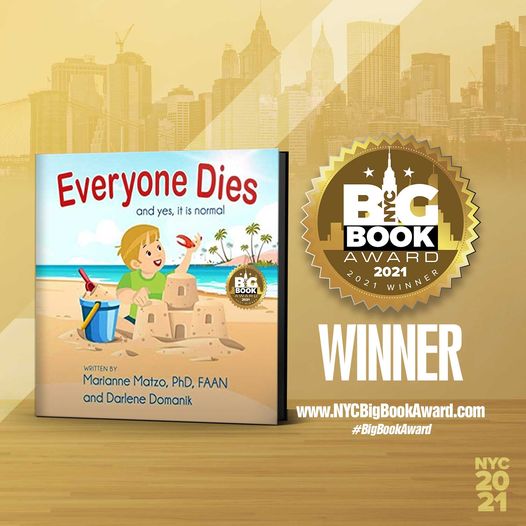
Everyone Dies (and yes, it is normal) is a story about a young boy named Jax who finds something special on the beach where he and his grandpa Pops are enjoying a wonderful day. Pops helps Jax understand that death is a normal part of life. This book provides an age appropriate, non-scary, comfortable way to introduce the important topic of mortality to a preschool child. Its simple explanation will last a lifetime. Autographed copies for sale at: www.everyonediesthebook.com. Also available at Amazon
Mourning Jewelry

We offer a way to memorialize your loved one or treasured pet with a piece of handmade jewelry. When people comment on it and the wearer can say for example “I received this when my mother died” which opens the conversation about this loss. All our jewelry is made with semi-precious stones and beads, vintage beads, and pearls. You can choose between earrings or bracelets and the color family. Learn More