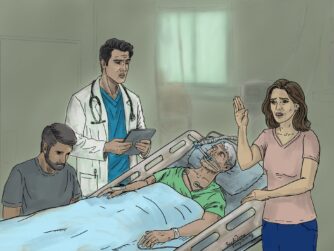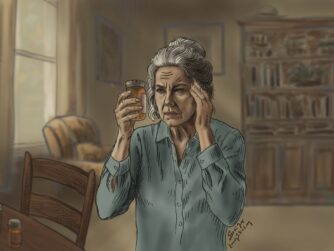


A persistent cough or a bout of lingering bronchitis is often dismissed as a seasonal nuisance, but for music legend Barry Manilow, it was the warning sign that led to an early-stage lung cancer diagnosis in December 2025.
In this episode, we break down why early detection is the ultimate game-changer, turning a frightening diagnosis into a manageable treatment plan. We explore the difference between small cell and non-small cell cancers, the life-saving potential of modern screening, and the surgical options that can offer a path to being cancer-free. Beyond the medicine, we discuss the essential ‘next steps’ for survivorship and how to advocate for your health when something feels ‘off.’ Join us as we translate a global headline into actionable advice and real hope for anyone navigating the complexities of lung health today.
In this Episode:
Transcript | Lung Cancer PDF Handout
- 02:21 – Tips for Longevity from People in their 90’s – Naomi Rose & Physical Fitness
- 04:48 – Avocado Salsa: Marriage of Guacamole and Pico de Gallo
- 05:47 – Barry Manilow’s Lung Cancer Diagnosis
- 07:05 – Review of Lung Anatomy, Lung Cancer Overview, Differences between NSCLC and SCLC
- 09:32 – What Increases Our Risk of Lung Cancer?
- 10:35 – Lung Cancer Signs and Symptoms to Watch For
- 12:49 – Treatment of Lung Cancer – Reasons for Hope
- 15:46 – Cancer Survivorship: How to Lower Your Risk of Cancer Returning and Signs not to Ignore
- 18:57 – Discussion with Charlie: Historical Smoking, Persistent Cough
- 24:04 – 27 y.o. Alexa Bekkerus Self-Written Obituary – How She Found Peace Dying with Metastatic Breast Cancer
- 29:21 – Outro
Lung Cancer: Warning Signs, Treatment Options, and Real Hope
Lung cancer is the leading cause of cancer death in the United States, but knowledge truly matters. Understanding symptoms, knowing when to seek care, and learning about treatment options can help people act sooner and feel more prepared if lung cancer touches their lives. We explain how lung cancer develops, who is most at risk, early and advanced warning signs, how lung cancer is diagnosed, and what treatment and survivorship may look like.
How the Lungs Work—and How Cancer Develops
Your lungs are responsible for bringing oxygen into your body and removing carbon dioxide. Each breath travels down the windpipe into bronchi, bronchioles, and finally into tiny air sacs called alveoli—where oxygen exchange happens.
There are two major types of lung cancer:
- Non–small cell lung cancer (NSCLC) – the most common
- Small cell lung cancer (SCLC) – less common but tends to grow faster
Lung cancer is most often diagnosed in people over age 65, but it can occur younger as well.

What Increases the Risk of Lung Cancer?
Smoking remains the leading cause of lung cancer. However, lung cancer also occurs in people who have never smoked. Other risks include:
- exposure to secondhand smoke
- radon exposure
- air pollution
- occupational exposure to asbestos, diesel exhaust, and certain chemicals
Understanding risk is important—but equally important is recognizing symptoms and not ignoring changes in your body.
Early Warning Signs You Shouldn’t Ignore
Lung cancer does not always cause symptoms early, but when it does, they may include:
- a persistent cough that doesn’t go away
- chest pain or discomfort
- shortness of breath
- wheezing
- coughing up blood, even small amounts
As lung cancer advances, additional symptoms may appear, such as unexplained weight loss, fatigue, hoarseness, bone pain, or swelling in the face or neck.
If you experience concerning symptoms, don’t wait. Make an appointment with your healthcare practitioner. Lung cancer is diagnosed by examining lung tissue, and earlier action offers more options.
How Lung Cancer Is Treated
Treatment depends on the type of lung cancer, its stage, whether it has spread, and your overall health and personal goals of care.
Common treatments include:
- Surgery
- Often used for early-stage lung cancer when possible. Options range from removing part of a lung to removing an entire lobe or lung.
- Chemotherapy, Radiation, and Immunotherapy
- These treatments may be used alone or in combination, depending on the type of cancer and stage.
- Your oncology team works with you to develop a plan tailored specifically to your situation.
Life After Lung Cancer Treatment
For some people, treatment removes or destroys cancer. For others, treatment helps control it over time. Both experiences are emotionally complex. After treatment, follow-up care is essential. Your healthcare team will monitor:
- signs of recurrence
- cancer treatment side effects
- overall health needs
Tell your oncologist about any new symptoms. Staying engaged in follow-up care is one of the most important steps you can take.
What You Can Do to Support Your Health
- Quit smoking if you currently smoke—quitting helps people live longer, even after diagnosis
- Maintain regular follow-up appointments
- Stay physically active as able
- Eat a balanced diet
- Discuss supplements with your healthcare team before using them
Small steps can make meaningful differences.
Hope, Support, and Moving Forward
A lung cancer diagnosis changes life—but it does not erase hope, purpose, or possibility. Many people continue living forward, supported by treatment, their care team, loved ones, and community resources.
If lung cancer has touched your life, you are not alone. Knowledge, encouragement, and compassionate guidance can make navigating this journey a little less overwhelming.
Related Content:
- S5E50: What is Meant by Cancer Staging? Learn the Language of a Cancer Diagnosis
- Understanding Cancer Treatment Options Series: Surgery | Chemotherapy | Radiation | Immunotherapy
- S6E33: Vibrant Life in the Face of Metastasis: The Human Side of Cancer as a Chronic Illness
- S6E26: Shattering Cancer Stigma: You are More than a Diagnosis
- S5E52: Cancer Gone Wild – Learn All About Metastasis
- S4E22: Examining Your Options when Chemotherapy Stops Working
References:
- People in Their Nineties Share Tips for Longevity and Living Well
- Alexa Bekkerus Obituary March 3, 2025 – Larson Funeral Home
- Recipe of the Week: Avocado Salsa Recipe – How to Make Avocado Salsa
Resources:
- Lung Cancer Survival Rates | 5-Year Survival Rates for Lung Cancer | American Cancer Society
- Lung Cancer Videos | Prevention & Treatment | American Cancer Society
- How to Detect Lung Cancer | Lung Cancer Tests | American Cancer Society
- Cancer Surgery | American Cancer Society
- NSCLC Treatment | NSCLC Treatment Options | American Cancer Society
- Small Cell Lung Cancer Treatment | Small Cell Carcinoma Treatment | American Cancer Society
- Talking With Your Cancer Care Team About Tobacco Use | American Cancer Society

https://blog.feedspot.com/palliative_care_podcasts/

Everyone Dies: and yes, it is normal!

Everyone Dies (and yes, it is normal) is a story about a young boy named Jax who finds something special on the beach where he and his grandpa Pops are enjoying a wonderful day. Pops helps Jax understand that death is a normal part of life. This book provides an age appropriate, non-scary, comfortable way to introduce the important topic of mortality to a preschool child. Its simple explanation will last a lifetime. Autographed copies for sale at: www.everyonediesthebook.com. Also available at Amazon
Mourning Jewelry

We offer a way to memorialize your loved one or treasured pet with a piece of handmade jewelry. When people comment on it and the wearer can say for example “I received this when my mother died” which opens the conversation about this loss. All our jewelry is made with semi-precious stones and beads, vintage beads, and pearls. You can choose between earrings or bracelets and the color family. Learn More