
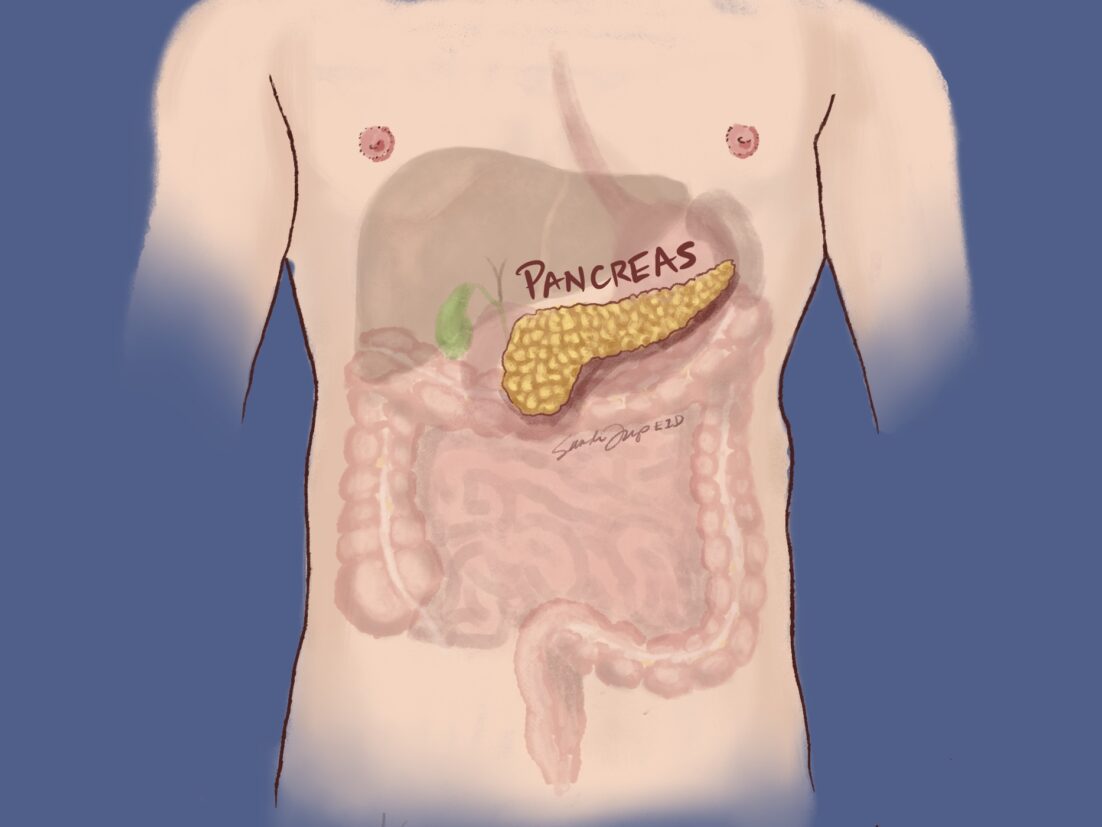
Pancreatic cancer is often called a ‘silent’ disease because its early signs are so easy to miss. This episode provides a comprehensive look at the diagnosis—from the complex Whipple procedure to hospice care—to help families move from fear toward understanding.
In this episode, you will learn:
- What the pancreas actually does (enzymes, insulin, and glucagon).
- The difference between modifiable and non-modifiable risk factors.
- What a “pancreaticoduodenectomy” (Whipple procedure) involves and a brief history of the procedure.
- How hospice provides wraparound support to manage metastasis, ascites, and pain, ensuring comfort and dignity in the final stages
Timestamps:
- 00:00 – Intro: Roasted Jalapeño Dip, and Mel Brooks Documentary
- 03:14 – Jim Henson’s Legacy – It’s Not Easy Bein’ Green
- 06:33 – Pancreatic Cancer Statistics & The Pancreas Defined
- 07:42 – Cancer Risk Factors: Genetics vs. Lifestyle
- 09:42 – Diagnosis, Treatment and the Whipple Procedure
- 16:42 – Late-Stage Realities & Hospice Support
- 29:19 – A Poem Honoring Alex Pretti by National Youth Poet Laureate Amanda Gorman
- 30:56 – Outro
Pancreatic Cancer: What You Need to Know — From Risk Factors to Hospice Care
Pancreatic cancer represents only about three percent of all cancers in the United States, yet it causes more than eight percent of cancer-related deaths. The average person’s risk for pancreatic cancer is about 1 in 64. Because symptoms are often vague — abdominal pain, nausea, weight loss, or jaundice — many people are diagnosed later in the disease.
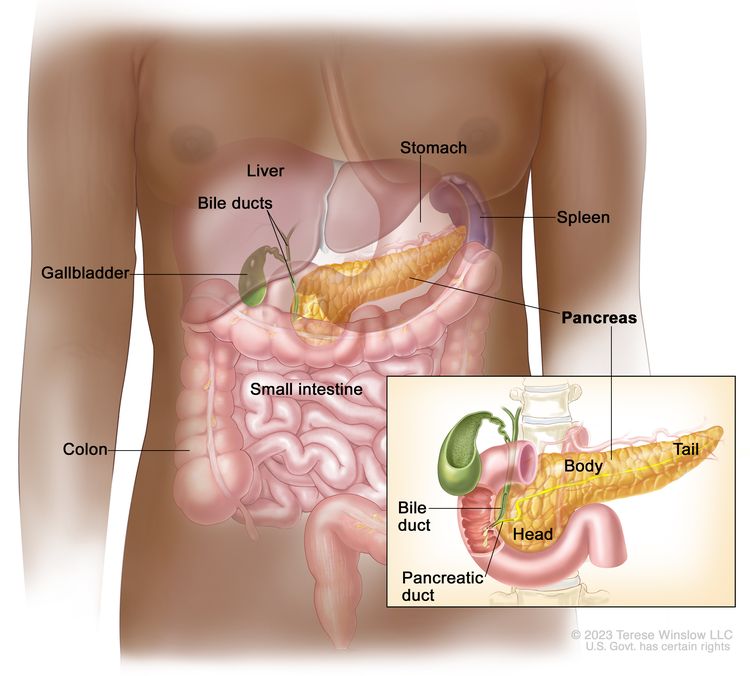
The pancreas sits deep in the abdomen and plays a critical role in digestion and blood sugar control. Risk factors include age, genetics, smoking, obesity, diabetes, and chronic pancreatitis. Some risks are modifiable, while others are not. (See our S5E45 episode about why cancer exists, including cancer risk factors.)
Some pancreatic cancers run in families, caused by defective genes. Here are a few known inherited genetic syndromes that can cause pancreatic cancer:
- Hereditary breast and ovarian cancer syndrome (HBOC), caused by mutations in the BRCA or BRCA2 genes
- Hereditary breast cancer, caused by mutations in the PALB2 gene
- Ataxia telangiectasia (AT), caused by mutations in the ATM gene
- Familial atypical multiple mole melanoma (FAMMM) syndrome, caused by mutations in the p16/CDKN2A gene and associated with skin and eye melanomas
- Hereditary pancreatitis, usually caused by mutations in the PRSS1 gene
- Lynch syndrome, also known as hereditary non-polyposis colorectal cancer (HNPCC), most often caused by a defect in the MLH1 or MSH2 genes
- Peutz-Jeghers syndrome, caused by defects in the STK11 gene. This syndrome is also linked with polyps in the digestive tract and several other cancers.
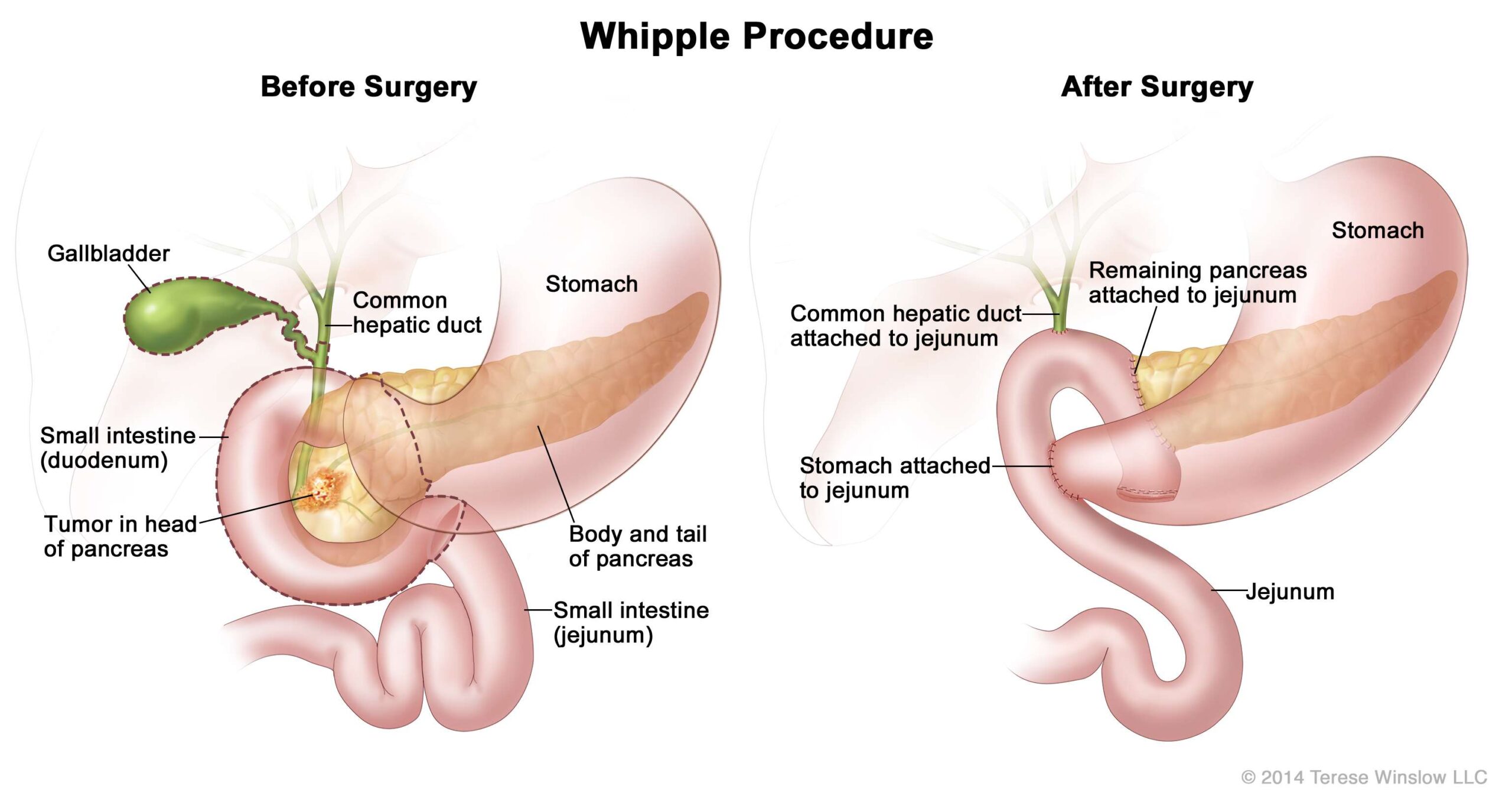
Diagnosis usually involves imaging such as CT scans or MRI along with blood tests. Treatment depends on the stage and may include chemotherapy, radiation, or surgery. The most complex operation, known as the Whipple procedure, removes several connected organs and requires highly specialized surgical skill.
We also discuss the physical and emotional realities of late-stage pancreatic cancer, including pain, weight loss, digestion problems, and the role of hospice care.
As pancreatic cancer progresses, symptoms often intensify. Pain, digestive changes, fatigue, and weight loss can affect daily life. Hospice care focuses on comfort, dignity, and meaningful time together, helping patients and families navigate this difficult stage with support.
Understanding pancreatic cancer — medically and emotionally — allows people to make informed decisions and prepare for what lies ahead. Tune in to our podcast to learn all about pancreatic cancer.
Related Episodes Mentioned:
- S5E45: Why Does Cancer Exist? – Learn about risk factors for many cancers
- S4E26: How Pain Medications for Cancer Improve Quality of Life
- S2E29: How to Decide When It is Time for Hospice
- S4E43: The Carters – Living Their Best Life to the End
References:
- Pancreatic Cancer Risk Factors, Diagnosis and Treatment – Oncology Nursing Society
- Whipple Procedure History
- When Big Bird Sang “Bein’ Green” at Jim Henson’s Memorial Service
- MUPPETS – IT’S NOT EASY BEING GREEN LYRICS
- For Alex Jeffrey Pretty – By Amanda Gorman
- Recipe of the Week: Garlic Jalapeno Dip
Resources:
- Facing Pancreatic Cancer – PanCAN.org (learn about pancreatic cancer, connect with other facing the disease)
- Pancreatic Cancer (patient version) – Cancer.gov
- Connect with Pancreatic Survivors and Caregivers – PanCAN.org
- After a Pancreatic Cancer Diagnosis (PDF)
- Pancreatic Cancer Caregivers Resource Guide
- Can Pancreatic Cancer Be Found Early?
- Pancreatic Cancer Treatment
- Pancreatic Cancer: What to Expect in the Final 3 Months
- Big Bird at Jim Henson’s Memorial

https://blog.feedspot.com/palliative_care_podcasts/

Everyone Dies: and yes, it is normal!

Everyone Dies (and yes, it is normal) is a story about a young boy named Jax who finds something special on the beach where he and his grandpa Pops are enjoying a wonderful day. Pops helps Jax understand that death is a normal part of life. This book provides an age appropriate, non-scary, comfortable way to introduce the important topic of mortality to a preschool child. Its simple explanation will last a lifetime. Autographed copies for sale at: www.everyonediesthebook.com. Also available at Amazon
Mourning Jewelry

We offer a way to memorialize your loved one or treasured pet with a piece of handmade jewelry. When people comment on it and the wearer can say for example “I received this when my mother died” which opens the conversation about this loss. All our jewelry is made with semi-precious stones and beads, vintage beads, and pearls. You can choose between earrings or bracelets and the color family. Learn More