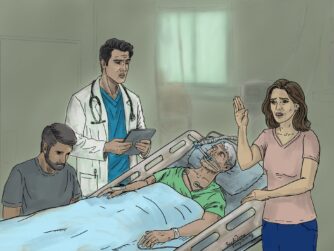

When something painful happens; being ghosted, losing a job, losing someone you love, we often want answers. We want to understand why. We want closure. But do we need it? In this episode, we explore what “closure” really means, why some people crave it more than others, and how the pursuit of closure can sometimes help and sometimes make grief harder.
Learn about uncertainty, ambiguous loss, and why many real-life experiences don’t come with clean endings. You’ll hear why meaning may matter more than answers, and how learning to live with unresolved questions can be a healthier way forward. If you’ve ever felt stuck waiting for an explanation that never came, this episode offers a compassionate, realistic perspective.
In this Episode:
- 00:00 – Intro
- 03:54 – How Goals Change as Circumstances Change – An Excerpt from We Are Not Ourselves
- 06:48 – Is Closure Always Necessary? Is It Always Possible?
- 07:42 – What Is Closure?
- 09:04 – Is Closure a Good Thing?
- 10:45 – Can You Ever Really Get Closure?
- 12:41 – Discussion – How Perception Changes Over Time, Tragic Loss
- 22:16 – Ambiguous Loss – Can it Extend to Society?
- 24:35 – Outro
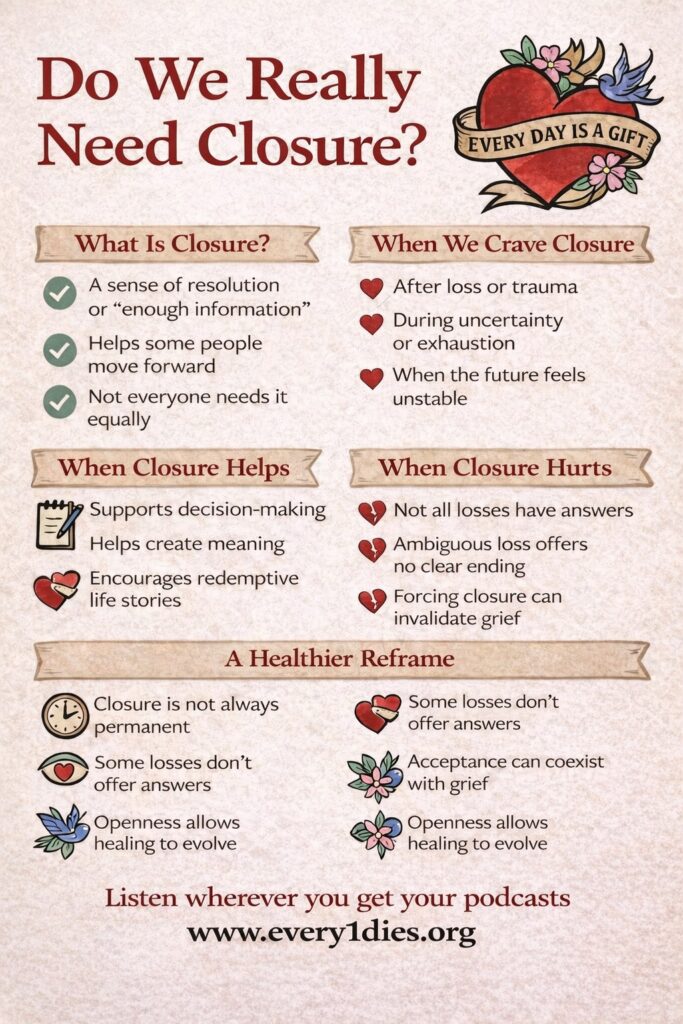
Do We Really Need Closure?
When something painful happens, being ghosted, losing a job, or the death of someone we love, it is normal to ask why. We search for answers, explanations, and reassurance that the pain will eventually make sense. In short, we seek closure.
Psychologists use the term “closure” to describe the feeling of having finished or concluded something. According to Arie W. Kruglanski, closure is a psychological signal that tells us I have enough information—now I can move on.
But not everyone needs closure in the same way.
Some people have a high need for cognitive closure, meaning they prefer certainty, quick decisions, and clear explanations. Others are more comfortable sitting with uncertainty and unanswered questions. Life circumstances, trauma, exhaustion, time pressure, or past instability can increase our craving for closure, even if we normally tolerate doubt well.
When Closure Helps
Seeking closure can be beneficial. It can help people make sense of difficult experiences and move forward with intention. Psychologist Dan P. McAdams found that people who are flourishing often tell “redemptive stories” about hardship, stories that transform pain into meaning.
For example, someone may begin to view a painful divorce as the event that allowed them to build a healthier life later. This type of meaning-making can feel like closure.
When Closure Hurts
But closure isn’t always possible, and insisting on it can deepen suffering.
Sociologist Nancy Berns describes how the cultural push toward closure can minimize real grief. Some losses don’t resolve neatly. Some relationships don’t provide answers. Some pain remains part of who we are.
This is especially true in ambiguous loss, situations like dementia, addiction, traumatic brain injury, or missing people where grief exists without a clear ending.
See our podcasts about traumatic grief and ambiguous loss (listed below) for more resources.
A Different Way Forward
Closure doesn’t always feel good. And it doesn’t always come.
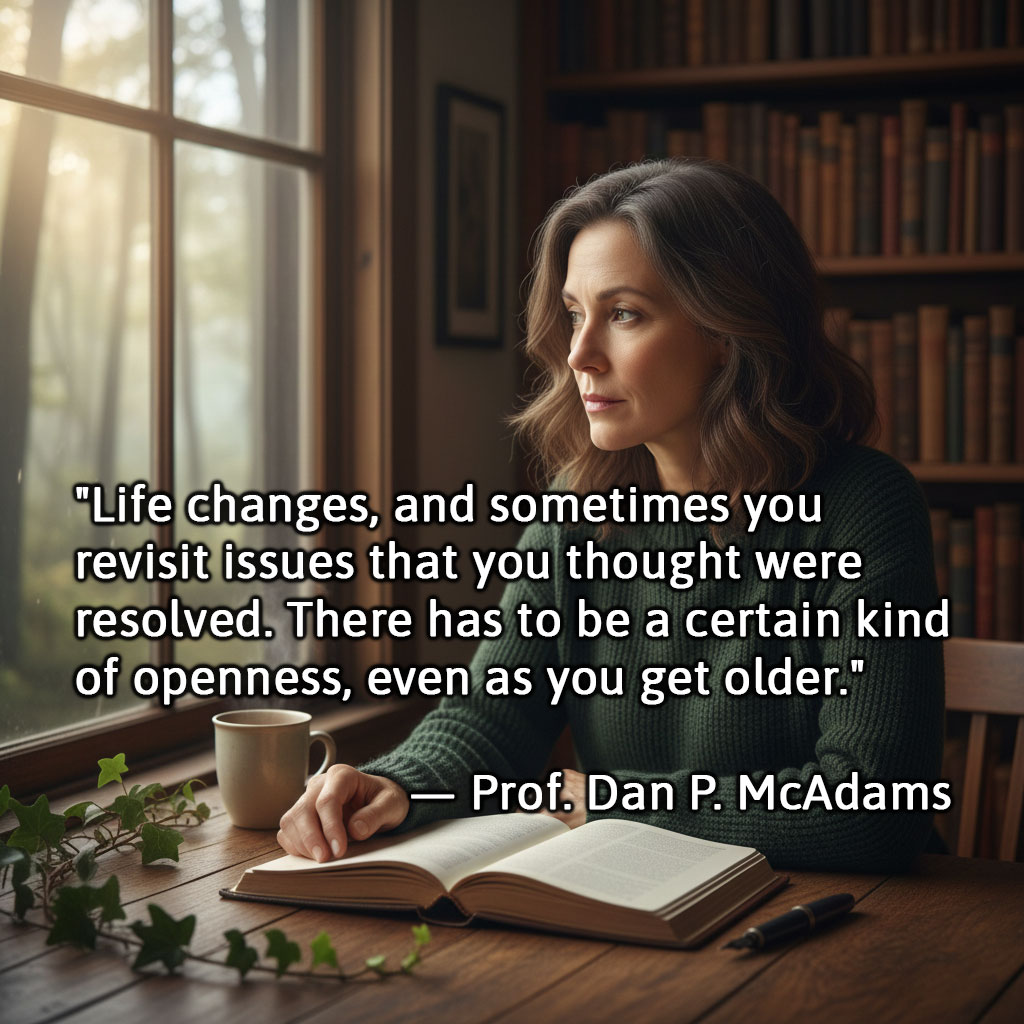
Instead of demanding final answers, many experts suggest aiming for temporary resolutions, the ability to live well with unanswered questions. Life changes. Old grief resurfaces. Meaning evolves.
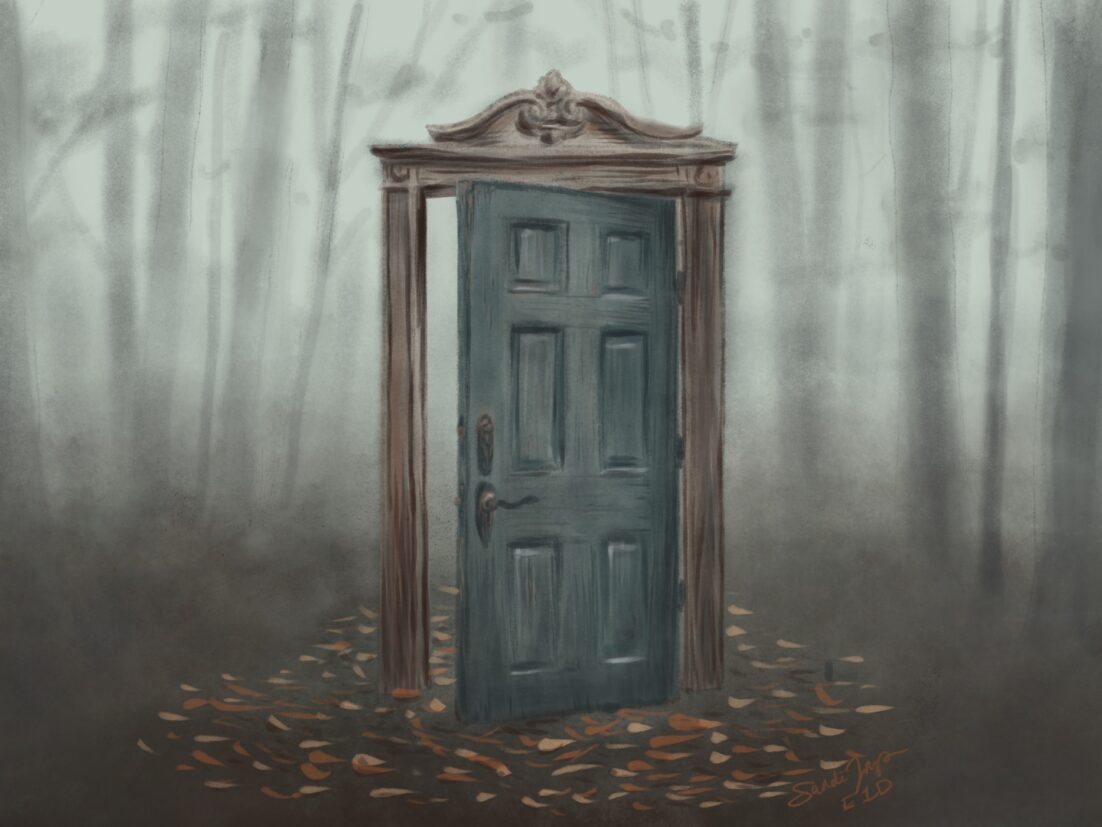
Sometimes healing isn’t about closing the door it’s about learning how to live with it open.
Related Content:
Navigating Ambiguous Loss & Dementia
If you are grieving someone who is still physically present, these episodes offer specific tools for the “long goodbye.”
- S4E6: The Way Forward after a Spouse Dies (The “Gander” Metaphor and Alzheimer’s)
- S3E50: Caring for a Partner with Dementia
- S1E48: Alzheimer’s Disease
Learning to Live with Unresolved Grief
For when answers aren’t coming, and you need to learn how to “stay in the boat” during the storm.
- S6E34: Surviving the Waves: Tips on How to Live Alongside Grief
- S6E9: Finding Your Breath in the Midst of Grief
- Coping Forward: Mental Health Strategies After Major Loss
Understanding Traumatic or Sudden Loss
Resources for the shock of losses that leave us with more questions than answers.
- S1E41: When Someone You Love Dies from an Overdose
- S4E39: Traumatic Grief: What it is and How to Find a Therapist
- S1E52: Coping with a Child’s Death
- S6E7: Traumatic Grief, Grieving a Child that Was Murdered

References:
- Does ‘Closure’ Really Exist? – The New York Times
- What if There’s No Such Thing as Closure? – The New York Times
Resources
- The Myth of Closure: Ambiguous Loss in a Time of Pandemic and Change (2021) by Pauline Boss, available here: https://a.co/d/78DSnN3
- We Are Not Ourselves: A Novel by Matthew Thomas (2015), available here: https://a.co/d/coxEK9x

https://blog.feedspot.com/palliative_care_podcasts/

Everyone Dies: and yes, it is normal!
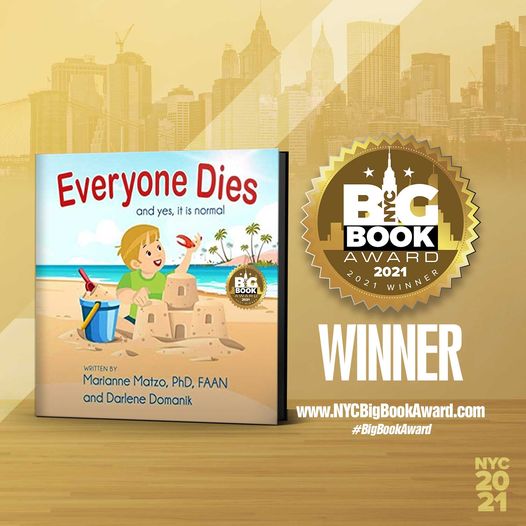
Everyone Dies (and yes, it is normal) is a story about a young boy named Jax who finds something special on the beach where he and his grandpa Pops are enjoying a wonderful day. Pops helps Jax understand that death is a normal part of life. This book provides an age appropriate, non-scary, comfortable way to introduce the important topic of mortality to a preschool child. Its simple explanation will last a lifetime. Autographed copies for sale at: www.everyonediesthebook.com. Also available at Amazon
Mourning Jewelry

We offer a way to memorialize your loved one or treasured pet with a piece of handmade jewelry. When people comment on it and the wearer can say for example “I received this when my mother died” which opens the conversation about this loss. All our jewelry is made with semi-precious stones and beads, vintage beads, and pearls. You can choose between earrings or bracelets and the color family. Learn More