
Learn the Protective Ripple Effect of Immunizations to Preserve Our Freedoms
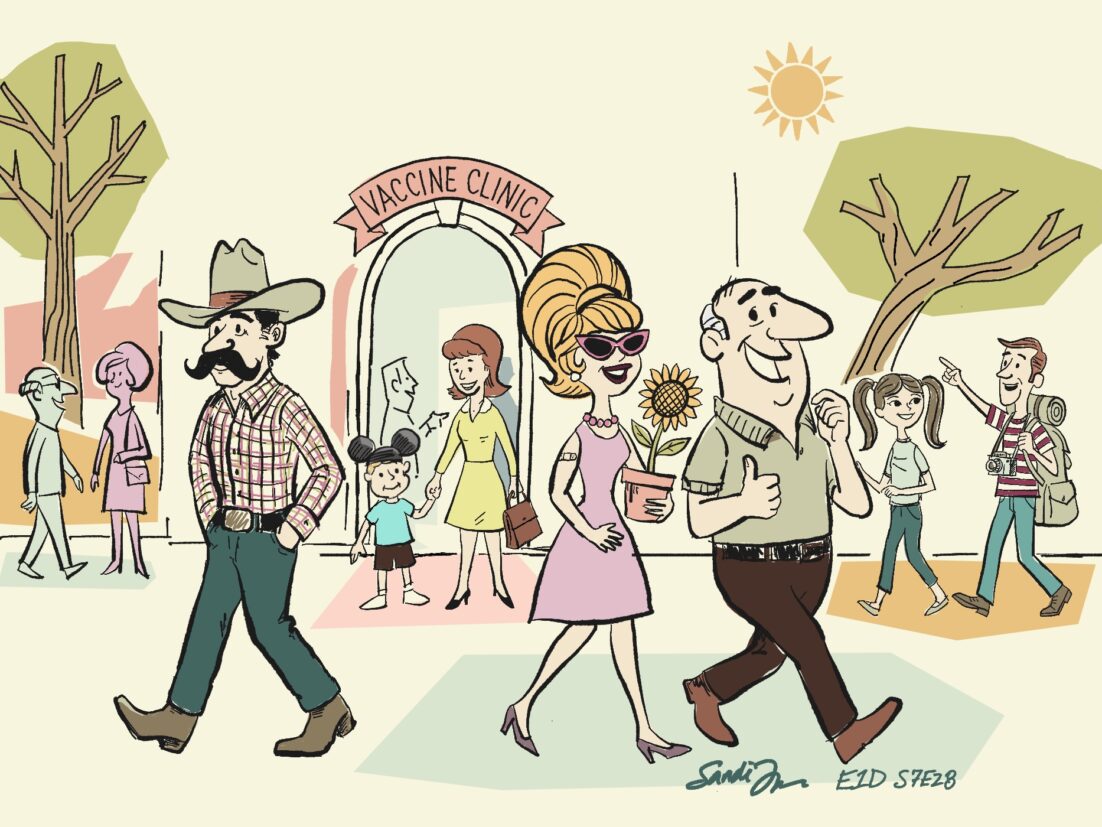
Measles was declared eliminated in the U.S. in 2000, but declining rates have brought it back into headlines. Staying up to date on vaccines isn’t about medical lectures—it’s about preserving your independence, avoiding illness-related restrictions, and protecting the community you love. Join Marianne and Charlie as they explore how preventive health keeps your world open and uninterrupted.
Timestamps
- 00:00 – The Freedom to Choose: Why Staying Up to Date Matters
- 02:00 – New York Encounters: Ethel Merman, Al Pacino, and Life in NYC
- 04:54 – Recipe of the Week: Buffalo Chicken Pimento Cheese Dip
- 05:25 – Remembering Martha Lillard: Polio, Iron Lungs, and Eradication Lessons
- 08:30 – The Ripple Effect: How Vaccines Keep Your World Open
- 15:45 – It’s a Choice: Navigating Immunization Differences with Compassion
- 21:47 – A Single Autumn by W.S. Merwin (Note: Corrected chronological placement before Outro)
- 22:56 – Outro & Resources for Living Well
Measles Is Back: Why Staying Current on Vaccines Matters
In 2000, measles was declared eliminated in the United States. Elimination did not mean that the virus had disappeared everywhere in the world. It meant that continuous transmission of measles was no longer occurring within the country.
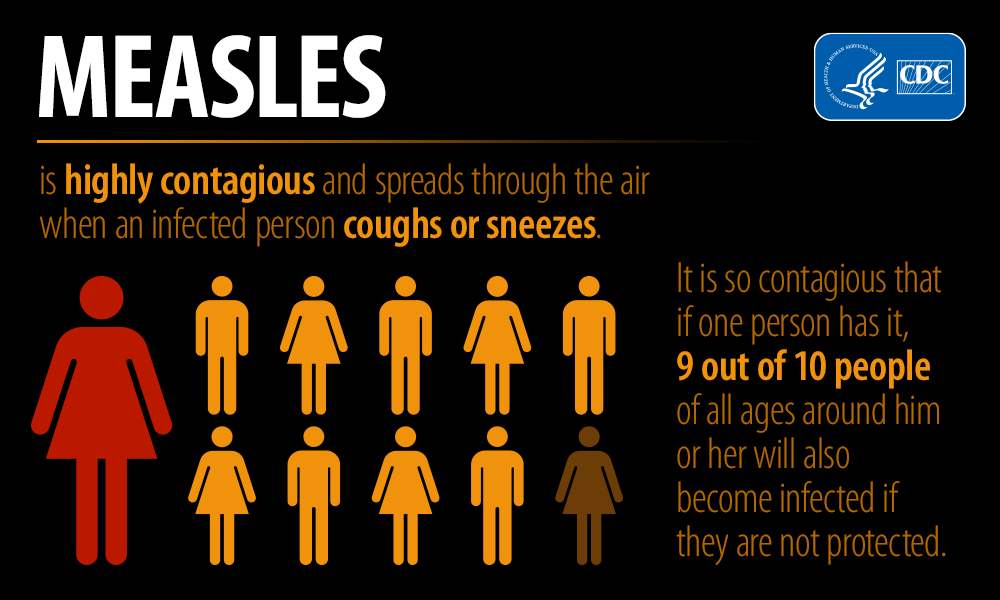
More than two decades later, measles is again causing active outbreaks. The fundamental biology of measles has not changed—it remains an extraordinarily contagious viral disease. What has changed is the environment in which the virus arrives. Vaccination coverage has declined nationally, creating pockets of communities with significantly lower protection rates.
When measles is introduced into one of these communities, it can spread rapidly.
What Happened to Measles?
The success of vaccination created an unexpected public health challenge. Vaccines made many once-common diseases sufficiently rare that most people today have never personally witnessed them. That absence can make the diseases seem less threatening while making vaccination seem less necessary.
However, vaccine-preventable diseases do not disappear permanently simply because we have not seen them recently.
- Declining National Coverage: The United States reported thousands of measles cases in 2025—the largest annual number since elimination was declared. Outbreaks have continued through 2026.
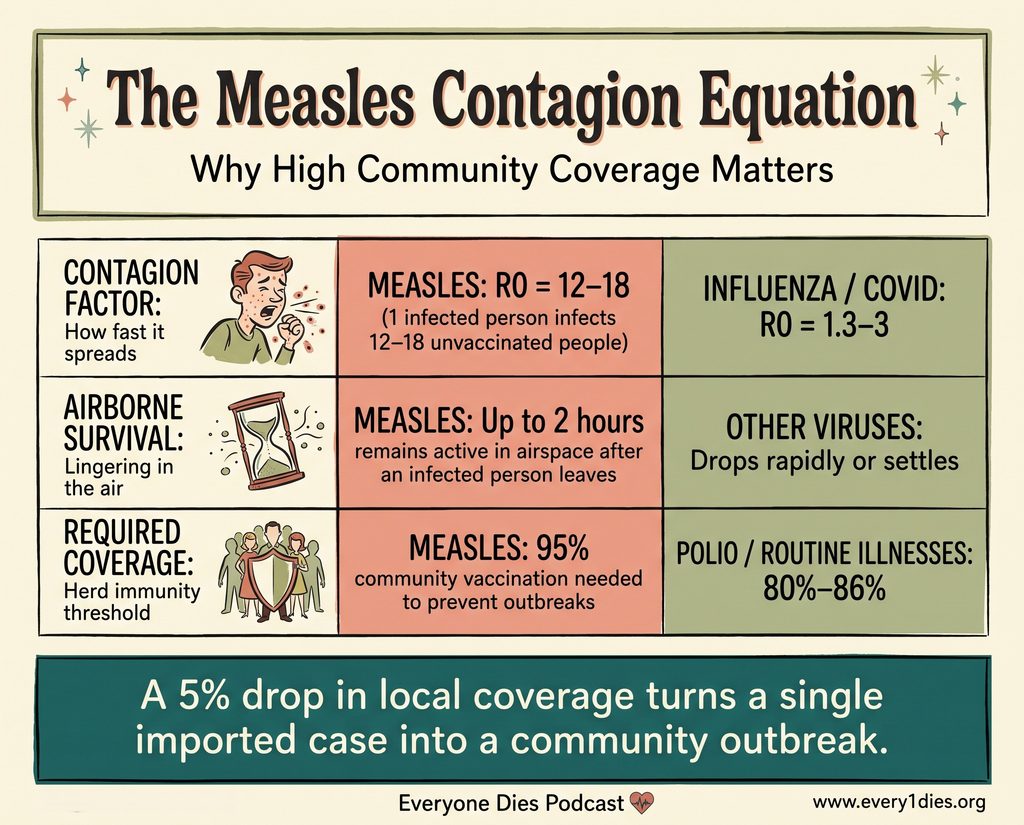
- The Clustering Effect: National averages do not tell the whole story. Unvaccinated individuals often cluster in specific geographic areas. An imported case entering a highly vaccinated community results in little transmission, but the same infection entering a lower-coverage pocket can explode into an outbreak.
Vaccines Protect Your Personal Freedom and Independence
The most serious measure of a disease is whether it causes death, and vaccination has saved millions of lives globally. However, mortality is not the only outcome that matters. Preventable illness impacts your everyday freedom in tangible ways:
- Avoiding Disruptions: Disease can lead to hospitalizations, disability, missed work, lost income, and canceled travel plans.
- Maintaining Autonomy: Illness often reduces a person’s ability to live independently and participate in the activities that bring their life meaning.
Thinking about vaccination only as a way of preventing death misses much of its daily value. Preventing disease is ultimately about preserving your independence and keeping your world open.
Why Timing Matters Before Exposure
Vaccines work best when protection is established before exposure occurs. Recommended immunization schedules reflect critical factors:
- Vulnerability Windows: When individuals are most susceptible to severe complications.
- Immune Response: When the body produces the strongest and most durable antibody response.
- Early Protection: Protecting infants and young children early, when infectious complications are most severe.
Delaying doses creates unnecessary windows of susceptibility. Receiving recommended vaccinations on time ensures protection is ready when you need it.
Community Immunity: Protecting Those Around You
Vaccination is unusual because its benefits extend beyond the individual receiving the shot. When enough people in a community are protected, a contagious disease has fewer opportunities to move from one susceptible person to another. This is known as community immunity or herd immunity. This shared shield is vital for individuals who cannot rely on vaccination alone:
- Infants who are too young for certain doses.
- Immunocompromised individuals whose bodies do not build full protection due to underlying conditions or medical treatments.
When you stay up to date, you contribute directly to a safer environment for everyone around you.
Vaccination Does Not End with Childhood
Many people associate immunizations primarily with children, but adults need vaccines as well. Your individual needs evolve over time based on specific factors:
- Age & Medical Conditions: Tailored guidance updates as risk factors shift.
- Occupation & Travel: International travel introduces exposure risks to diseases uncommon in your home country.
- Annual Schedule Updates: Recommendations update every single year as new vaccines and evidence emerge.
What was current three years ago may not provide complete protection today.
What Should You Do Next?
You do not need to memorize an immunization schedule. Taking charge of your preventive health is simple:
- Gather Your Records: Find your historical immunization records if accessible.
- Consult a Professional: Ask your primary care clinician or local pharmacist to review your history against current recommendations.
- Plan for Travel: If traveling abroad, review destination-specific requirements well before departure, as some doses require multiple weeks to build immunity.
The Takeaway
Vaccines have made many serious diseases uncommon enough that it is easy to forget what they once did. Measles serves as a clear reminder that disease control is not permanent.
Staying appropriately vaccinated helps reduce individual risk, contributes to community protection, and safeguards our personal freedom. Avoiding preventable illness ensures you can keep working, traveling, spending time with loved ones, and living life on your own terms.
Remembering Martha Lillard: Polio, Iron Lungs, and Eradication Lessons
Like measles, polio was declared eradicated after a successful childhood vaccination campaign. This debilitating illness causes paralysis, muscle weakness and atrophy, and chronic pain.15 to 40 years after recovery from the initial childhood infection, 25% to 40% of polio survivors develop a progressive condition known as Post-Polio Syndrome. This happens because overworked motor neurons that sprouted new fibers decades ago begin to fail.
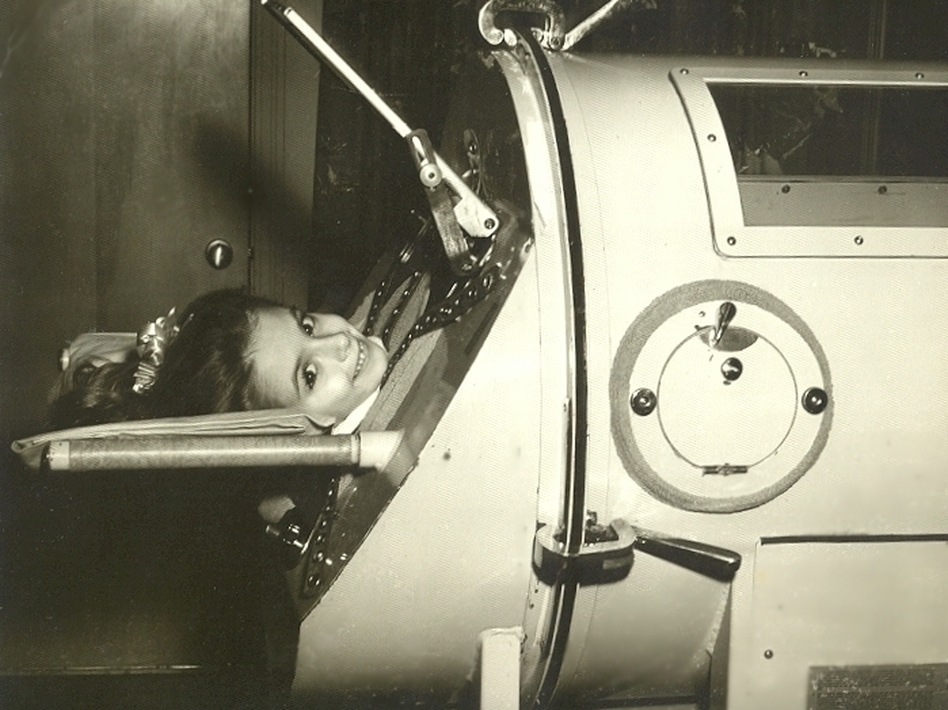
Martha Lillard became sick with polio shortly after her fifth birthday in 1953, and spent the rest of her life depending on an iron lung to help her breathe. Iron lungs create negative pressure to move the lungs, similar to a ventilator, but do not require intubation. Martha can sleep in the iron lung at night and have limited function outside of it during the day, able to volunteer at a local humane society and daycare center.
Lillard died on June 26, 2026, at the age of 78. She was the known person living with polio that was still relying on an iron lung.
References:
Recipe of the Week: Buffalo Chicken Pimento Cheese Dip
- “A Single Autumn” by W.S. Merwin: https://merwinconservancy.org/poems/a-single-autumn-w-s-merwin/
- Martha Lillard, last known US polio survivor using iron lung, dies aged 78
- Describing vaccines in terms of freedom can lead some hesitant older adults to accept COVID shots, study finds: https://www.cidrap.umn.edu/adult-non-flu-vaccines/describing-vaccines-terms-freedom-can-lead-some-hesitant-older-adults-accept
- Krishnamurthy, P., & Hu, Y. (2026). COVID-19 Vaccine Framing and Acceptance Among Adults Who Are Vaccine Hesitant. JAMA Network Open, 9(3), e264114-e264114. https://doi.org/10.1001/jamanetworkopen.2026.4114
Resources:
- Martha Ann Lillard: https://www.dignitymemorial.com/obituaries/shawnee-ok/martha-lillard-12944606
- Child and Adolescent Immunization Schedule by Age:https://www.cdc.gov/vaccines/hcp/imz-schedules/child-adolescent-age.html
- 2025–2026 COVID-19 Vaccination Guidance: https://www.cdc.gov/covid/hcp/vaccine-considerations/routine-guidance.html
- Recommended Vaccinations for Adults:https://www.cdc.gov/vaccines/imz-schedules/adult-easyread.html

Use the Feedspot RSS reader to find more.

Everyone Dies: and yes, it is normal!
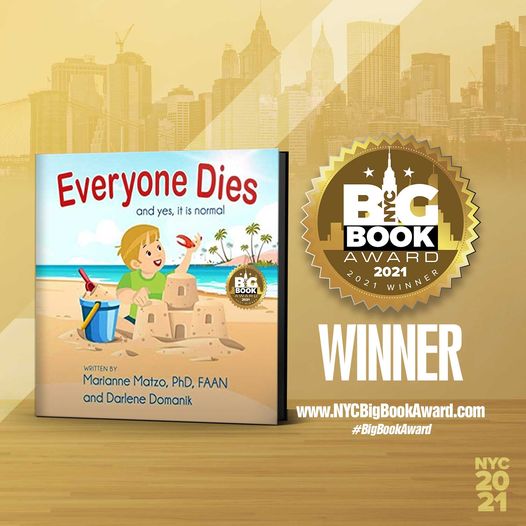
Everyone Dies (and yes, it is normal) is a story about a young boy named Jax who finds something special on the beach where he and his grandpa Pops are enjoying a wonderful day. Pops helps Jax understand that death is a normal part of life. This book provides an age appropriate, non-scary, comfortable way to introduce the important topic of mortality to a preschool child. Its simple explanation will last a lifetime. Autographed copies for sale at: www.everyonediesthebook.com. Also available at Amazon
Mourning Jewelry
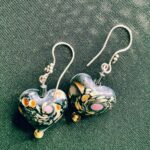
We offer a way to memorialize your loved one or treasured pet with a piece of handmade jewelry. When people comment on it and the wearer can say for example “I received this when my mother died” which opens the conversation about this loss. All our jewelry is made with semi-precious stones and beads, vintage beads, and pearls. You can choose between earrings or bracelets and the color family. Learn More