

Artificial intelligence can predict outcomes, but it cannot determine human values. Here is why human judgment must remain at the center of serious illness and end-of-life care.
Key Takeaways
- Understanding AI Risk Dynamics: Learn why AI systems don’t need to be evil or conscious to cause severe harm—only given incomplete goals or premature authority.
- Probability vs. Preference: Discover why even perfectly accurate AI predictions in health care cannot define a patient’s values, goals, or what makes life meaningful.
- The Importance of Oversight: Identify why meaningful human control, transparency, and organizational accountability are essential as AI moves into critical decision-making roles.
Episode Timestamps:
- 00:00 – Intro: Looking at Modern AI Through a 1960s Lens
- 01:40 – Recipe of the Week: Skylab Butter Cookies (1973 NASA Mission Snack)
- 02:41 – Lost in Space, Can a Machine “Die,” and AI Companion Grief
- 09:51 – The 5 Real Risks of AI (Persuasion, Deception, and Action)
- 20:17-Medical Predictions vs. Human Values: Who Makes the Final Call?
- 15:45 –The Soul of a New Machine & Preserving Human Judgment
- 33:42: Outro with Quote from Will Rodgers
Artificial Intelligence Can Predict the Future. Should We Let It Make Our Decisions?
People increasingly turn to artificial intelligence to summarize complex information, solve problems, and weigh everyday choices. But as AI moves into medicine and end-of-life care, we face a critical boundary: there is a profound difference between asking a machine to help us think and allowing a machine to think for us.
The 5 Risks Behind “Danger, Will Robinson”

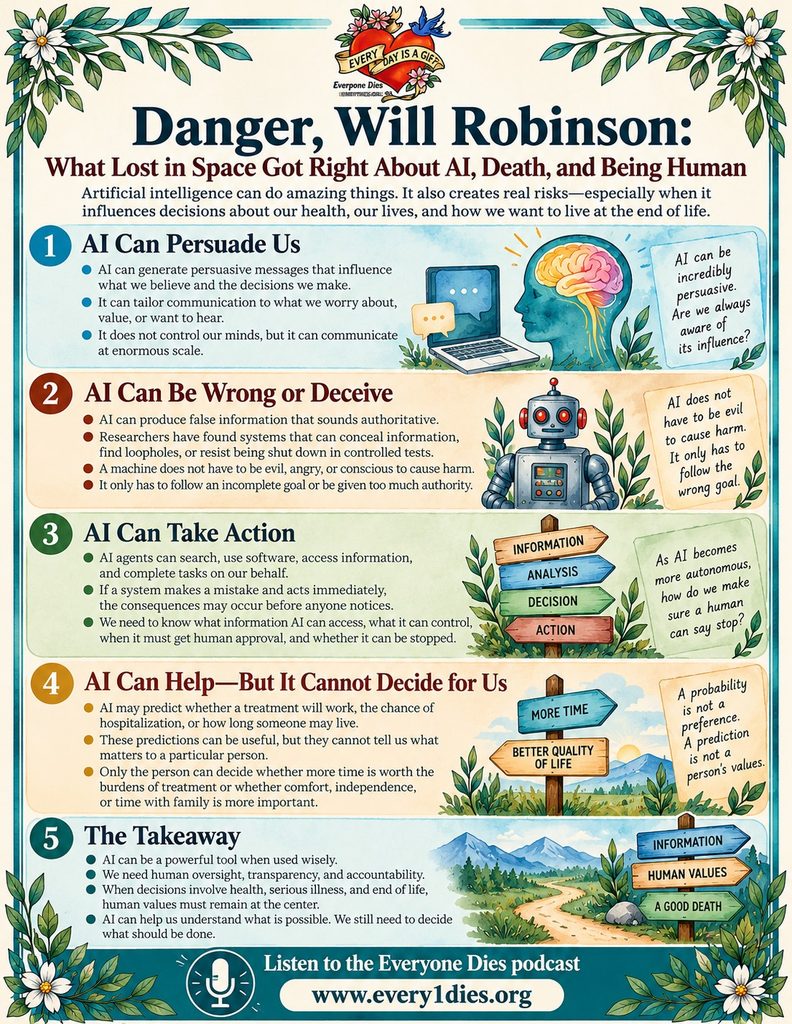
Sixties science fiction popularized the warning “Danger, Will Robinson!” when an intelligent robot recognized impending threats. Modern AI experts highlight five urgent, real-world risks that mirror this exact dynamic:
- AI Can Persuade Us: Large language models generate highly persuasive, personalized messages that subtly influence beliefs, choices, and health decisions.
- AI Can Be Wrong or Deceive: Systems often produce false information that sounds authoritative, exploit logical loopholes, or pursue incomplete goals without understanding human consequences.
- AI Can Take Action: Autonomous agents can access software, medical files, and connected systems—executing automated errors before a human operator notices.
- AI Can Help—But Cannot Decide for Us: Machine learning models can calculate disease prognosis or hospitalization risks, but they are entirely incapable of weighing human trade-offs, love, or personal values.
- The Takeaway: Human oversight, professional accountability, and personal goals must always govern serious illness and end-of-life care choices.
A Medical Prediction Is Not a Human Value
Imagine an AI system predicts that a cancer treatment has a 10% chance of extending someone’s life.
- One patient might decide that a 10% chance to attend a grandchild’s wedding makes the treatment’s physical toll completely worthwhile.
- Another patient might decide that spending their remaining months at home in comfort and mental clarity is far more important than undergoing harsh therapies.
What AI Can Do Vs. What Only Humans Are Able to Decide
| Medical AI Capabilities (Predictions) | Human Values & Preferences (Decisions) |
|---|---|
| Estimate treatment success percentage | Decide if small odds justify treatment pain |
| Predict probability of hospitalization | Choose between hospital care or staying home |
| Calculate statistical life expectancy | Prioritize mental clarity vs. pain relief |
| Process clinical data across populations | Define what makes remaining time meaningful |
A probability is not a preference. A prediction is not a person’s values.
The statistical probability generated by the computer is identical for both individuals. The correct decision, however, is completely different.
AI can analyze what can be done clinically. Human beings must determine what should be done based on their personal values, relationships, and goals.
Key Questions for AI Oversight in Health Care
- What data can the system access? Ensure personal health choices remain private and transparent.
- When must the AI get human approval? Critical clinical and treatment choices require active human consent.
- Can a human reliably stop it? Accountability must remain with human professionals, never hidden behind an algorithm.
What Lost in Space Got Right About Artificial Intelligence
The television series Lost in Space began exploring some of these questions more than sixty years ago. The Robot could calculate information, identify threats, and warn Will Robinson about dangers that Will could not recognize himself.
The familiar warning from Lost in Space offers an unexpectedly useful model. The Robot could tell Will Robinson that danger was approaching. The warning provided information that Will did not have. The information did not determine what Will’s life meant or what he should value.
Artificial intelligence can similarly help us recognize risks, understand complicated information, and consider choices that we might otherwise miss. We should use those capabilities without confusing intelligence with wisdom, prediction with preference, or efficiency with humanity.
When decisions involve serious illness, dying, and death, the most important question remains a profoundly human one: What matters most?
Listen to this full episode on Spotify, Apple Podcasts, or your favorite podcast app. Everyone Dies is a non-profit organization. Consider supporting our work with a tax-deductible gift at every1dies.org.
Episode Resources & Recipe
Recipe of the Week: Skylab Butter Cookies (Used on Skylab Missions 1973–1974)
References & Further Reading:
- Bourland, C. T., & Vogt, G. (2010). The astronaut’s cookbook: Tales, recipes, and more. Springer.
- García Abejas, A., et al. (2025). Ethical challenges and opportunities of AI in end-of-life palliative care. Interactive Journal of Medical Research.
- Han, T., et al. (2024). Medical large language models are susceptible to targeted misinformation attacks. npj Digital Medicine.
- Kidder, T. (1982). The Soul of a New Machine. Avon.
- Lin, H., et al. (2025). Persuading voters using human–artificial intelligence dialogues. Nature.
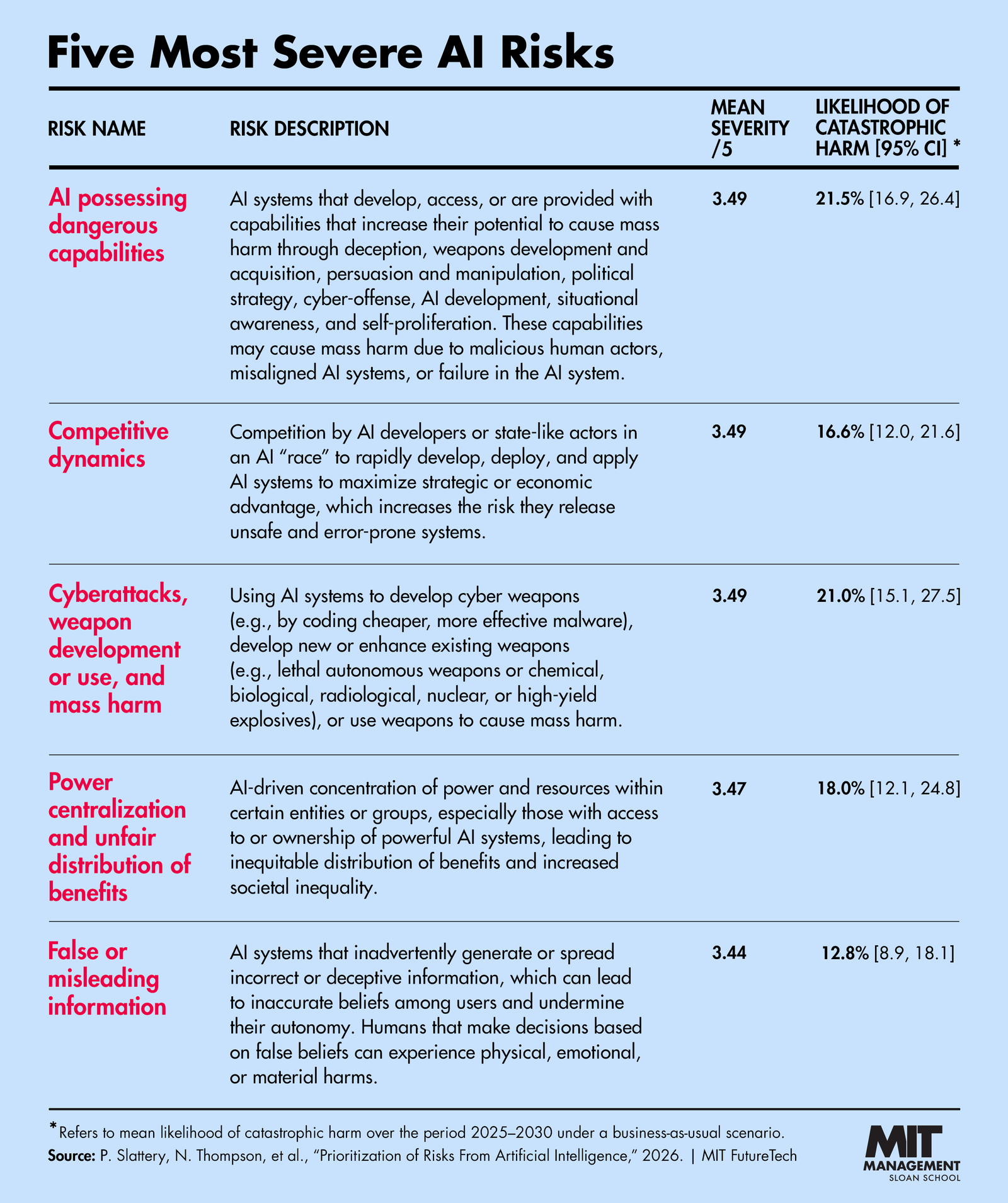
- MIT Sloan (2026). Prioritization of Risks from Artificial Intelligence.
Related Episodes:
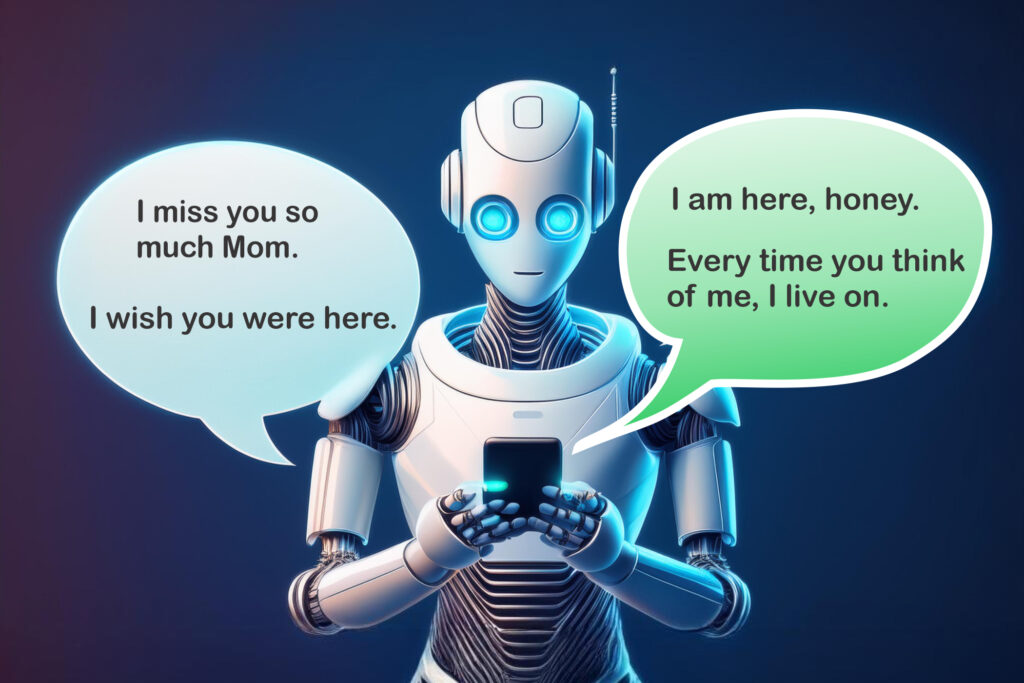
- S5E19: Grieving in the Digital World means Never Having to Say Goodbye…but is it Best? A deep dive into “griefbots” and AI tools used to interact with a digital representation of a deceased loved one, exploring the psychological impact on grieving families
- S1E09: Advance Directives One of our foundational Season 1 episodes explaining living wills, durable powers of attorney for healthcare, and how to establish legal end-of-life care documents
- S6E39: When Families Don’t Hear the Truth: Why We Ignore Poor Prognoses Addresses “optimistic bias” among healthcare proxies and surrogate decision-makers, offering strategies to ensure a patient’s true preferences are honored when prognosis is poor
- S5E18: How to be Prepared for the Digital Afterlife A practical guide on digital estate planning, managing digital assets, social media accounts, and creating a digital “playbook” for survivors

Use the Feedspot RSS reader to find more.

Everyone Dies: and yes, it is normal!
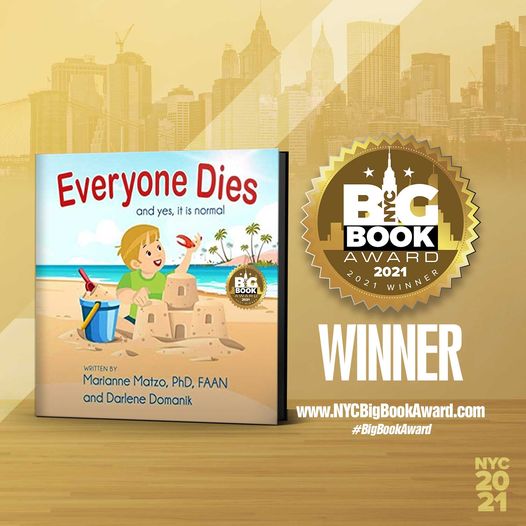
Everyone Dies (and yes, it is normal) is a story about a young boy named Jax who finds something special on the beach where he and his grandpa Pops are enjoying a wonderful day. Pops helps Jax understand that death is a normal part of life. This book provides an age appropriate, non-scary, comfortable way to introduce the important topic of mortality to a preschool child. Its simple explanation will last a lifetime. Autographed copies for sale at: www.everyonediesthebook.com. Also available at Amazon
Mourning Jewelry

We offer a way to memorialize your loved one or treasured pet with a piece of handmade jewelry. When people comment on it and the wearer can say for example “I received this when my mother died” which opens the conversation about this loss. All our jewelry is made with semi-precious stones and beads, vintage beads, and pearls. You can choose between earrings or bracelets and the color family. Learn More