
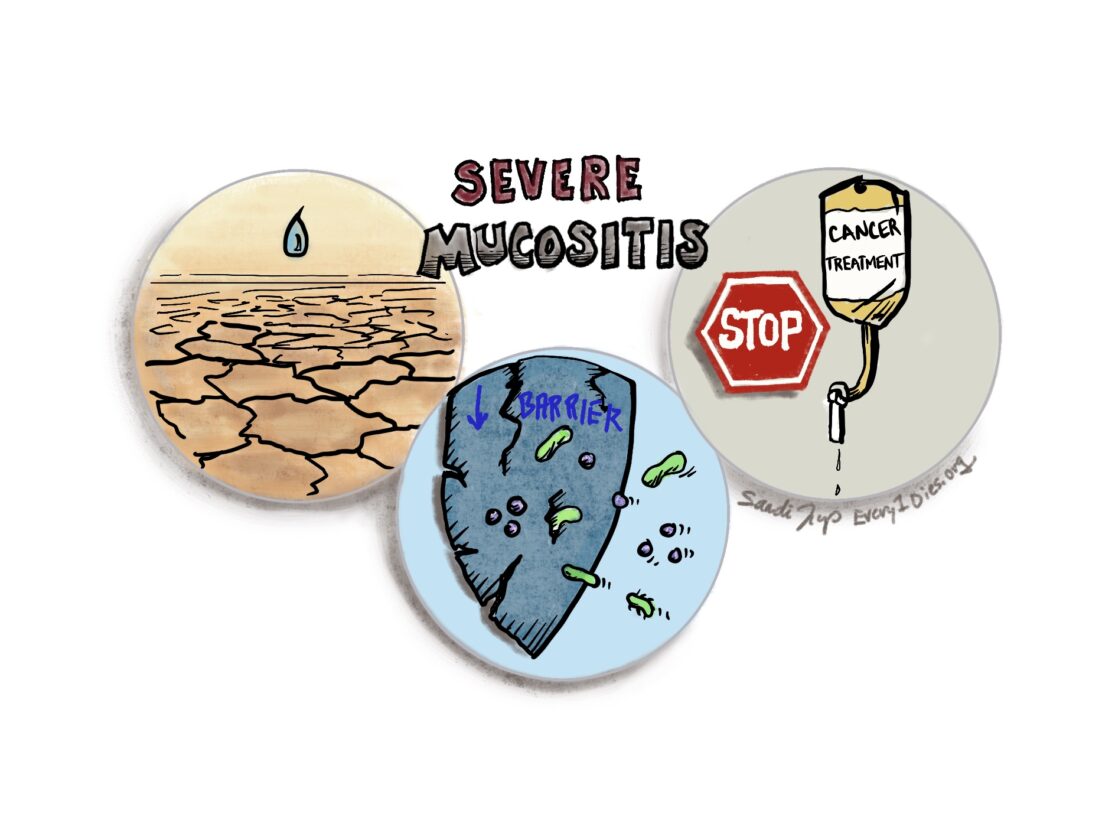
Most people undergoing cancer treatments know to watch out for fatigue or hair loss, but far fewer expect the severe impact of oral mucositis. While it often begins as a painful side effect of chemotherapy or radiation, severe cases can rapidly cross the line into a critical oncology emergency.
Learn why Stage 4 mucositis becomes a medical emergency and about life-threatening complications like sepsis, severe dehydration, and treatment interruptions. Then, we share a rebroadcast of our comprehensive guide with daily steps patients can take to protect their mouths, manage symptoms early, and preserve their quality of life.
In this Episode:
Transcript
- 00:00 – Mucositis – What it is and Why it Can Become a Cancer Emergency
- 07:34 – Intro S6E22 Mucositis with Cancer Treatment and How You can Prevent It
- 09:18 – The Sharks of Rockaway Beach
- 13:50 – Road Trip to Nebraska – Famous Murder Spree and Reuben Sandwich
- 17:59 – Oral Mucositis – Common Symptom of Cancer Treatment
- 21:24 – Why it is Important to be Proactive to Prevent Mucositis
- 29:05 – Mucositis Discussion
- 34:18 – Nutrition Tips for dehydration, taste changes and decreased appetite or pain while eating
- 36:18 – Holly Butcher: Advice to World 24 Hours before She Died of Cancer
- 38:16 – Outro with words from Killian Murphy
The Hidden Side Effect of Cancer Treatment: What You Need to Know
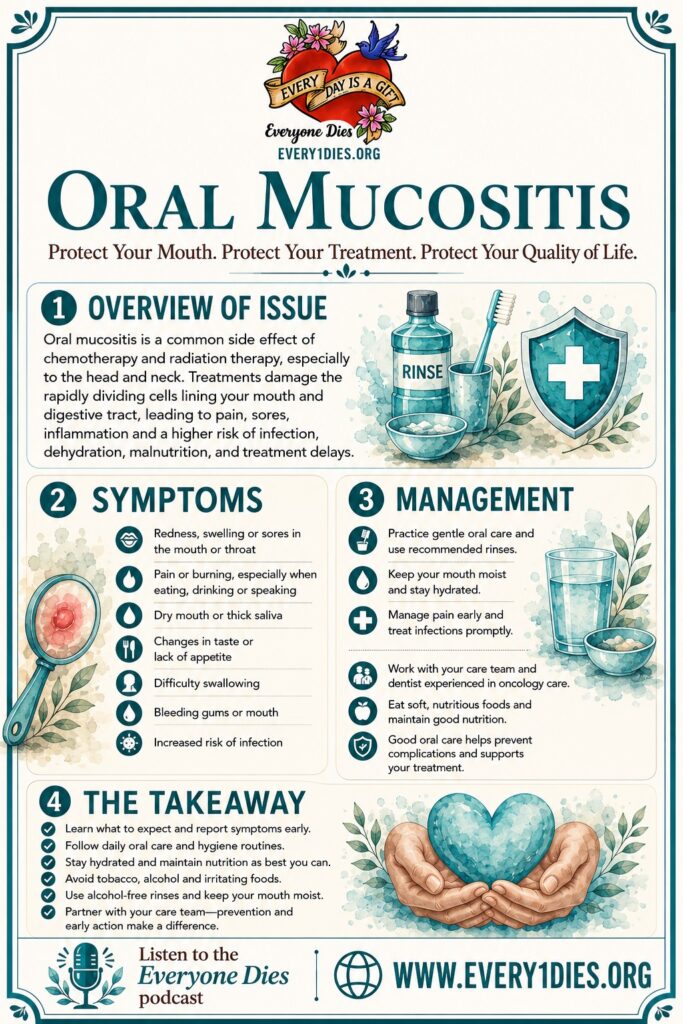
When you start chemotherapy or radiation, you probably brace yourself for fatigue, nausea, or hair loss. But many people are caught completely off guard by a challenging side effect that happens inside the mouth: oral mucositis.
Mucositis occurs when cancer treatments damage the rapidly dividing healthy cells that line your digestive tract. As these protective cells break down, they leave behind painful inflammation and open ulcers. This makes everyday actions like eating, drinking, and speaking incredibly difficult. While it might sound like a minor inconvenience, untreated mucositis can quickly escalate into a serious medical emergency.
Why Oral Mucositis Is Dangerous
Severe mouth sores do more than cause pain; they completely disrupt your recovery:
- Dehydration and Malnutrition: Intense pain can make swallowing liquids and food impossible, leading to severe weight loss and weakness that may require a hospital stay.
- Treatment Delays: If your mucositis becomes too severe, your oncologist may have to delay your radiation schedule or lower your chemotherapy dose, directly impacting your long-term survival.
- Systemic Infection: Open sores combined with a weakened immune system allow bacteria and fungi to flood your bloodstream, causing life-threatening sepsis.
Who Has the Highest Risk?
Your risk increases if you receive intensive treatments, such as:
- Radiation to the head and neck
- High-dose or continuous chemotherapy regimens
- Bone marrow or stem cell transplants
While mucositis can strike anywhere along the gastrointestinal tract (from the mouth to the anus), oral mucositis is the most common and distressing form.
Step 1: See a Dentist Before Treatment Begins
Prevention starts before your first therapy session. Schedule a thorough dental exam as soon as you know your treatment plan. If you need extractions or denture adjustments, complete them well in advance to give your mouth time to fully heal. Ask your oncologist if they can recommend a dentist who specializes in oncology care.
Step 2: Clean Gently and Frequently
A rigorous, gentle oral hygiene routine keeps complications at bay:
- Brush with a soft-bristled toothbrush after every meal.
- Use a mild, fluoride toothpaste that won’t irritate sensitive tissues.
- Floss gently once a day if your healthcare team approves it.
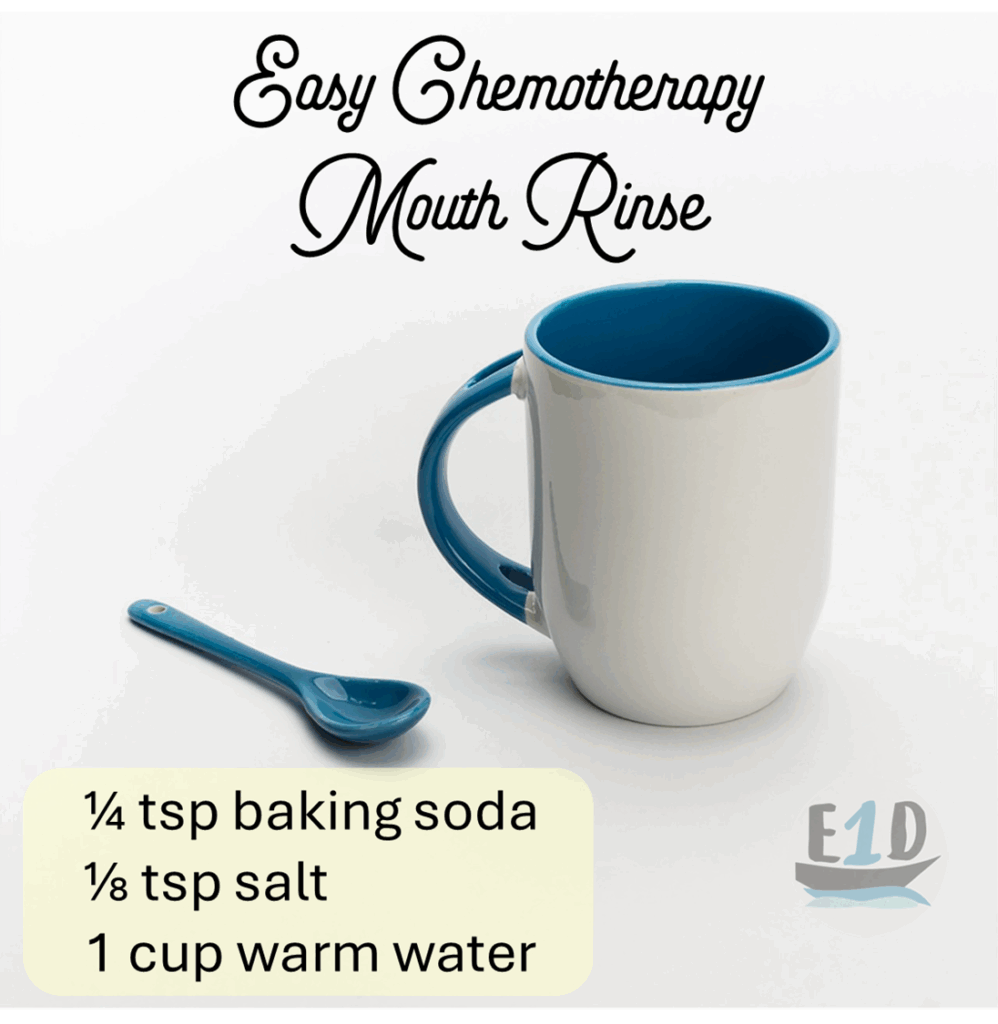
- Rinse frequently throughout the day with an alcohol-free mouthwash or a simple homemade baking soda and salt solution to keep your mouth clean and moist.
Step 3: Tackle Dry Mouth Head-On
Chemotherapy and radiation often cut your saliva production, disrupting the natural balance of your mouth and accelerating tooth decay. Protect your mouth with these habits:
- Sip water continuously throughout the day.
- Chew sugar-free gum or suck on sugar-free hard candy to trigger saliva.
- Suck on ice chips for cooling comfort.
- Use an over-the-counter or prescription saliva substitute.
- Apply a lanolin-based lip balm to prevent painful, cracked lips.
| What to Focus On (DO) | What to Limit or Avoid (DON’T) |
| Sip water frequently and use ice chips to keep the mouth naturally moist. | Don’t use mouthwashes with alcohol, which will severely burn sensitive tissues. |
| Use sugar-free gum or candy to safely stimulate your body’s natural saliva production. | Avoid sugary foods and drinks, as reduced saliva quickly accelerates tooth decay. |
| Apply lanolin-based lip balms regularly to protect dry, cracking lips. | Stay away from spicy, acidic, or highly salty foods that trigger intense burning pain. |
| Run a humidifier at night while sleeping to keep your throat from drying out. | Stop all tobacco and limit alcohol, as both directly dry out and damage the oral lining. |
| Report new soreness or swallowing trouble early to your oncology care team. | Don’t take over-the-counter pain meds without checking, as some increase bleeding risks. |
Step 4: Manage Pain Safely
Never ignore mouth pain. Your team can recommend specialized topical coatings, prescription rinses, or systemic pain medications to keep you comfortable. Always consult your oncology team before taking over-the-counter pain relievers, as common drugs like aspirin or ibuprofen can dangerously increase your bleeding risk during chemotherapy.
Don’t Wait: Report Symptoms Early
Many patients stay silent because they assume mouth pain is just a normal part of the cancer journey. Don’t wait until the pain becomes unbearable. Contact your healthcare team the moment you notice new soreness, redness, bleeding, or difficulty swallowing. Catching symptoms early protects your nutrition, reduces your infection risk, and keeps your life-saving treatments on schedule.
Understanding the Stages of Oral Mucositis
The World Health Organization (WHO) and the Common Terminology Criteria for Adverse Events (CTCAE) use a standardized grading system to measure the severity of mouth sores during cancer treatment:
| Grade | Clinical Signs & Symptoms DOCX | Functional Impact & Dietary Changes DOCX |
| Grade 0 | No signs or symptoms of oral mucositis. | Normal diet and function. |
| Grade 1 | Mild discomfort and redness (erythema) in the mouth. | No or mild symptoms; medical intervention is not indicated. |
| Grade 2 | Mouth sores (ulcers) and redness are present. | Moderate pain, but the individual is still able to consume solid foods. |
| Grade 3 | Extensive, severe mouth sores are present. | Severe pain makes it impossible to tolerate solid foods, requiring a switch to a liquid-only diet. |
| Grade 4 | Oncology Emergency: Severe, debilitating mouth sores. | Oral nutrition in any form becomes impossible, leading to life-threatening complications that require urgent medical intervention. |
| Grade 5 | Death |
When to Call Your Team: Never try to simply “tough it out.” If you notice new mouth pain, visible bleeding, difficulty swallowing liquids, or signs of an infection like a fever, contact your oncology care team immediately. Catching these symptoms early is the best way to keep your cancer treatment safely on track.
References:
- Common Terminology Criteria for Adverse Events (CTCAE)
- How Are the Grades of Oral Mucositis Determined?
- WHO Mucositis Scale
Resources:
- MASCC/ISOO clinical practice guidelines for the management of mucositis secondary to cancer therapy – Lalla – 2014 – Cancer – Wiley Online Library
- WHO Mucositis Scale
- Management of Cancer Therapy–Associated Oral Mucositis
- How Are the Grades of Oral Mucositis Determined?
- Common Terminology Criteria for Adverse Events (CTCAE)
- Xia, J., Tao, X., Hu, Q. et al. Expert consensus on the prevention and treatment of radiochemotherapy-induced oral mucositis. Int J Oral Sci 17, 54 (2025). https://doi.org/10.1038/s41368-025-00382-8
Related Content:
- S6E22: Mucositis with Cancer Treatment: What it is and How You can Prevent It
- S6E28: Dehydration During Cancer Treatment: The Threat No One Talks About
- S6E5: Understanding Cancer Treatment Options: Chemotherapy
- S6E3: Understanding Cancer Treatment Options: Radiation Therapy
- S6E33: Vibrant Life in the Face of Metastasis: The Human Side of Cancer as a Chronic Illness
- All of our Cancer Content

https://blog.feedspot.com/palliative_care_podcasts/

Everyone Dies: and yes, it is normal!

Everyone Dies (and yes, it is normal) is a story about a young boy named Jax who finds something special on the beach where he and his grandpa Pops are enjoying a wonderful day. Pops helps Jax understand that death is a normal part of life. This book provides an age appropriate, non-scary, comfortable way to introduce the important topic of mortality to a preschool child. Its simple explanation will last a lifetime. Autographed copies for sale at: www.everyonediesthebook.com. Also available at Amazon
Mourning Jewelry

We offer a way to memorialize your loved one or treasured pet with a piece of handmade jewelry. When people comment on it and the wearer can say for example “I received this when my mother died” which opens the conversation about this loss. All our jewelry is made with semi-precious stones and beads, vintage beads, and pearls. You can choose between earrings or bracelets and the color family. Learn More