
From Diagnosis to Remission: Navigating Waldenström Macroglobulinemia and Diffuse Large B-Cell Lymphoma
What happens after the last chemotherapy treatment ends? Nurse practitioner Karen Wolfe shares her personal journey through dual blood cancer diagnoses, R-CHOP treatment, and the unexpected emotional reality of navigating life in remission.
Timestamps:
00:00– Introduction: Cancer, Recovery, and Resilience01:05– Adaptive Wellness: High-Protein Cottage Cheese Dip Recipe01:44– Mindful Support: What Is a Buddhist Chant List & How to Request One09:14– Interview: Surviving Lymphoma & Living with Uncertainty with Karen Wolfe, NP- 14:38 – Karen’s Self-Prescribed “Cancer Rehab Program”
- 24:04 – Where Does Your Resilience Come From?
38:23– Episode Wrap-Up & Resources
Understand Lymphoma Terminology
Here’s some terms you will here in the interview and their explanations:
- MGUS (Monoclonal gammopathy of undetermined significance) is a nonthreatening, symptomless blood disorder caused by the abnormal production of a single type of antibody (called a monoclonal protein or M protein) by clonal plasma cells in the bone marrow. Monoclonal gammopathy of undetermined significance (MGUS) – Symptoms and causes – Mayo Clinic
- R-CHOP: R-CHOP is a chemotherapy and immunotherapy combination designed to treat B-cell lymphomas, including diffuse large B-cell lymphoma (DLBCL) and advanced follicular lymphoma. The regimen combines three chemotherapy drugs, a targeted therapy drug, and a corticosteroid to attack cancer cells in multiple ways, improving treatment effectiveness.
- Components of R-CHOP:
- Rituximab (R): A monoclonal antibody that targets the CD20 protein on B-cells, marking them for destruction by the immune system.
- Cyclophosphamide (C): A chemotherapy drug that stops fast-growing cancer cells from dividing.
- Doxorubicin (H): An anti-tumor chemotherapy drug that interferes with cancer cell replication.
- Vincristine (O): A plant-derived chemotherapy agent that prevents cancer cells from dividing
- Prednisone (P): A corticosteroid that kills cancer cells and helps reduce inflammation and allergic reactions to other drugs in the regimen.
- Components of R-CHOP:
Waldenstrom macroglobulinemia, some white blood cells undergo changes that turn them into cancer cells. The cancer cells can build up in the spongy material inside the bones where blood cells are made (the bone marrow). The cancer cells crowd healthy blood cells out of the bone marrow. Cancer cells also may build up in other parts of the body, such as the lymph nodes and the spleen. Waldenstrom macroglobulinemia – Symptoms and causes – Mayo Clinic
Pelvic therapy: a specialized form of physical therapy that strengthens, relaxes, and restores the function of pelvic floor muscles to manage pain, incontinence, and other pelvic health issues. Pelvic Floor Therapy: What It Is and Who Should Try It
Living With Uncertainty After Lymphoma: Finding Your Way Through Diagnosis, Treatment, and Remission
Hearing the words “you have cancer” creates a moment that many people remember for the rest of their lives. Even when treatment is successful, the experience of cancer often continues long after the final chemotherapy appointment. For people diagnosed with blood cancers such as Waldenström macroglobulinemia or diffuse large B-cell lymphoma, the journey can involve complicated emotions. There may be relief when treatment works and remission begin, but there can also be questions about what comes next.
Understanding Waldenström Macroglobulinemia and Diffuse Large B-Cell Lymphoma
Waldenström macroglobulinemia is a rare, slow-growing type of non-Hodgkin lymphoma that affects certain white blood cells called B lymphocytes. These abnormal cells produce an excess amount of a protein called immunoglobulin M (IgM), which can lead to symptoms such as tiredness, low blood counts, enlarged lymph nodes, bleeding problems, or nerve symptoms.
Diffuse large B-cell lymphoma (DLBCL) is also a cancer of B lymphocytes, but it usually behaves more aggressively and often requires treatment soon after diagnosis. Although DLBCL can grow quickly, many people respond well to treatment.
Some people receive chemotherapy combinations such as R-CHOP, which includes medications designed to attack lymphoma cells in different ways. Treatment decisions depend on the specific type of lymphoma, stage, overall health, and individual goals of care.
When Treatment Ends but Cancer Remains Part of Life
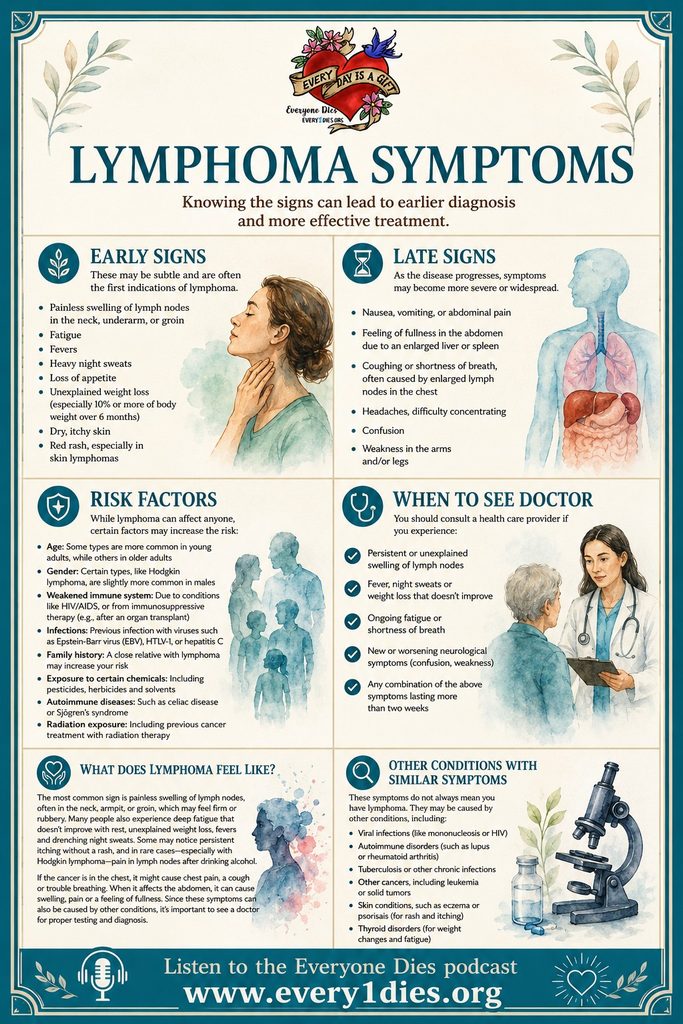
Many people expect the end of chemotherapy to bring a return to “normal.” Instead, survivors often describe entering a different phase of cancer care. The structure of treatment appointments changes. Medical teams may shift from actively treating the cancer to monitoring for signs of recurrence.
Survivors may notice every new ache, symptom, or change and wonder what it means. This uncertainty is one of the most common challenges after cancer treatment. Remission means that signs and symptoms of cancer have decreased or disappeared, but it does not erase the experience of having lived through cancer.
Learning to Live with Uncertainty
Living after lymphoma often involves adjusting expectations. Many survivors describe learning to focus less on controlling the future and more on participating fully in the present.
Helpful strategies may include:
• Keeping scheduled follow-up appointments
• Talking openly with health care providers about concerns
• Understanding which symptoms should be reported
• Maintaining supportive relationships
• Returning gradually to meaningful activities
• Recognizing that emotional recovery may take time
Family and friends sometimes assume that remission means everything immediately goes back to the way it was before. Survivors may need continued understanding as they process what has happened.
Moving Forward After Lymphoma
Cancer survivorship is not simply about finishing treatment. It is about adapting physically, emotionally, and socially after a life-changing diagnosis. For many people, remission becomes a time of reflection. Priorities may shift. Relationships may change. Small moments may carry greater meaning. Living with uncertainty is part of the cancer experience for many survivors, but uncertainty can exist alongside hope, connection, purpose, and meaningful living.
References & Resources:
- Recipe of the Week: Cottage Cheese Dip
- Why a Cancer Journey Takes a Village
- Global Chant List (Buddhist, Hindu, varied)
- The Chant Archive (varied styles)
- B-cell lymphoma – Symptoms and causes – Mayo Clinic
- ‘How I knew I had lymphoma’: 6 survivors describe their symptoms | UT MD Anderson
- NCCN Patient Guidelines: Waldenström Macroglobulinemia
- Survivorship Care for Cancer-Related Late and Long-Term Effects – NCCN
- Survivorship Care for Healthy Living – NCCN

https://blog.feedspot.com/palliative_care_podcasts/

Everyone Dies: and yes, it is normal!
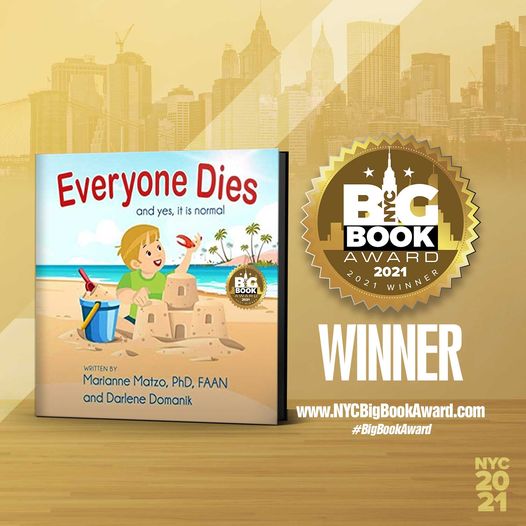
Everyone Dies (and yes, it is normal) is a story about a young boy named Jax who finds something special on the beach where he and his grandpa Pops are enjoying a wonderful day. Pops helps Jax understand that death is a normal part of life. This book provides an age appropriate, non-scary, comfortable way to introduce the important topic of mortality to a preschool child. Its simple explanation will last a lifetime. Autographed copies for sale at: www.everyonediesthebook.com. Also available at Amazon
Mourning Jewelry
We offer a way to memorialize your loved one or treasured pet with a piece of handmade jewelry. When people comment on it and the wearer can say for example “I received this when my mother died” which opens the conversation about this loss. All our jewelry is made with semi-precious stones and beads, vintage beads, and pearls. You can choose between earrings or bracelets and the color family. Learn More