
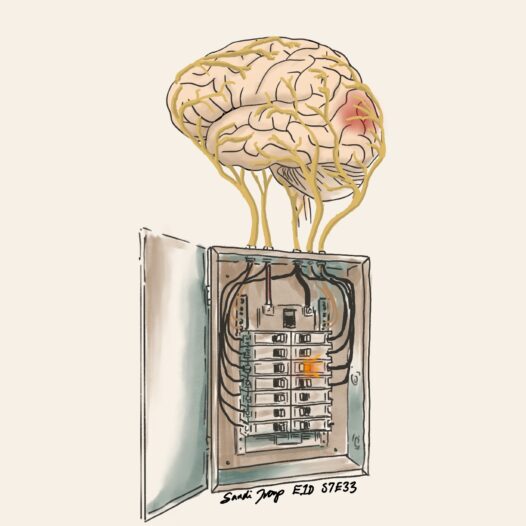
Why disappearing symptoms still require urgent emergency care—and how listening to your body can prevent a major stroke
Not every stroke announces itself with dramatic, unmistakable symptoms—sometimes the earliest warning is a few minutes of blurred vision, sudden dizziness, or a tingling hand that quickly disappears. Dr. Marianne Matzo breaks down why a transient ischemic attack (TIA) is a critical “warning shot” rather than a harmless near miss, and how acting fast protects your brain and independence.
In This Episode:
- 00:00 – Intro: Why Early Stroke Symptoms & TIAs Are So Easy to Dismiss
- 03:35 – Recipe of the Week: Mini Taco Bites (Amuse-Bouche)
- 04:26 – Finding Humor in Dark Places: Mike Birbiglia on His Father’s Stroke
- 07:47 – Understanding TIAs: Why a Mini-Stroke Is a “Warning Shot,” Not a Near Miss
- 10:13 – Five Subtle TIA & Stroke Warning Signs Often Dismissed
- 14:07 – Marianne’s Cheiro-Oral Stroke & Self-Advocacy in the Emergency Room
- 22:36 – BE-FAST & The Critical 3-Hour Clot-Busting Window
- 26:05 – “The Geography of After”: An Uplifting Poem About Life After Stroke
- 27:40 – Outro: Listening to Your Body & Resources for Stroke Prevention
Recognizing Early Stroke Symptoms and Transient Ischemic Attacks (TIAs)
Why a TIA Is a Stroke in the Making
Many people refer to a transient ischemic attack (TIA) as a “near miss” because the symptoms come and go. In reality, a TIA means blood supply to part of your brain was temporarily blocked by small clots traveling through your bloodstream. Even when symptoms fade within minutes, the underlying circulatory problem remains.
Think of a TIA like a tripped circuit breaker in your home. You can keep flipping the switch back on, but resetting the breaker does not fix the overloaded wiring behind the wall. Research from the Oxford Vascular Study shows that among people who experience a stroke within seven days of a TIA, roughly half occur during the very first 24 hours.
When the symptoms disappear, the danger has not necessarily disappeared with them.
| Common Assumption | Clinical Reality |
|---|---|
| “My symptoms went away, so I’m fine.” | Immediate Danger: Disappearing symptoms still signal active clot risk, with peak stroke danger occurring within the first 24 hours. |
| “I can still move my arm, so it’s not a stroke.” | Sensory Clues Matter: Sudden one-sided numbness or tingling without weakness can still indicate a TIA or small brainstem stroke. |
| “Dizziness is probably just dehydration or vertigo.” | High Misdiagnosis Risk: Studies show 22% of ischemic strokes are initially missed, especially posterior-circulation strokes causing dizziness and nausea. |
| “I’ll schedule a regular checkup next month.” | Time-Critical Treatment: Clot-busting medication (tPA) must be administered within 3 hours of symptom onset, requiring immediate 911 care. |
Five Subtle Warning Signs You Shouldn’t Dismiss
Because strokes affect different regions of the brain, early warning signs do not always match what we see on television. Pay close attention to these five sudden changes:
- Temporary Vision Loss: Sudden blurring, double vision, or losing sight in one eye—even if normal vision returns minutes later—offers a direct warning from your brain’s blood supply.
- One-Sided Numbness or Tingling: A sudden “pins and needles” sensation on one side of your face, lips, arm, hand, or leg when you have not been compressing a nerve warrants immediate evaluation.
- Sudden Dizziness and Loss of Balance: Unexplained unsteadiness, difficulty walking, or dizziness paired with nausea can signal a posterior-circulation stroke.
- Sudden Speech or Word-Finding Difficulty: Slurred words, substituting the wrong word, or struggling to understand conversation—even briefly—can point to transient cerebral ischemia.
- Sudden, Severe, or Unusual Headache: A headache that reaches peak intensity within seconds, or a distinctly new type of headache, can signal bleeding, arterial dissection, or impending ischemia.
Self-Advocacy in the ER: Lessons from Cheiro-Oral Syndrome
Even experienced clinicians can encounter rare stroke presentations that defy textbook checklists. When Marianne developed sudden numbness isolated to her lips and hand—a rare brainstem presentation known as Cheiro-Oral syndrome—she advocated for hospital admission and an MRI, which confirmed a small midline stroke in the pons that a standard CT scan would not have detected.
“If something in your body feels suddenly wrong, trust your instincts and speak up clearly at the emergency department. Never feel embarrassed about getting checked out; arriving promptly protects your long-term function and opens the door to time-sensitive therapies.”
– Dr. Marianne Matzo, after her experience with a rare stroke
Frequently Asked Questions
Can you have a stroke if your symptoms go away after a few minutes? Yes. When stroke-like symptoms resolve within minutes to 24 hours, it is classified as a transient ischemic attack (TIA), and MRI scans frequently reveal that actual tissue damage (infarction) still occurred. Because a TIA often precedes a major stroke within hours or days, you should call 911 immediately rather than waiting to see if symptoms return.
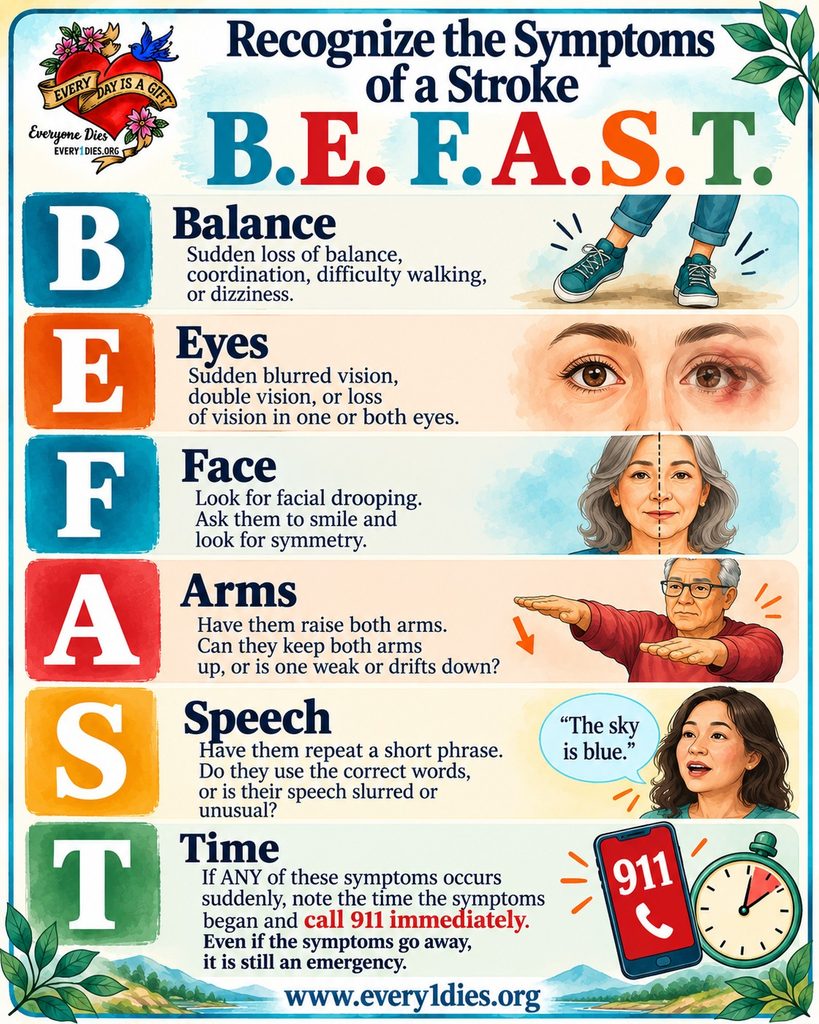
What does B.E. F.A.S.T. stand for when checking for a stroke? B.E. F.A.S.T. is an easy-to-remember checklist for sudden stroke signs: Balance loss or dizziness, Eyes (blurred, double, or lost vision), Face drooping, Arm weakness or drift, Speech difficulty or slurring, and Time to note when symptoms started and call 911.
Why is getting to the emergency room within 3 hours so important for a stroke? For ischemic strokes caused by a blood clot, emergency physicians can administer a powerful clot-busting medication called recombinant tissue-type plasminogen activator (tPA). However, this medication can only be given safely within 3 hours of when symptoms first began, making immediate emergency transport essential.
Why are strokes that cause dizziness sometimes missed in the ER? Posterior-circulation strokes affect the back of the brain and frequently cause dizziness, imbalance, nausea, or vomiting without obvious arm paralysis. Clinical research shows roughly 22% of ischemic strokes are initially misdiagnosed, so patients experiencing sudden dizziness alongside any visual, sensory, or walking changes should explicitly ask to be evaluated for stroke.
Related Listening
Understanding Medical Emergencies & Protecting Brain Health
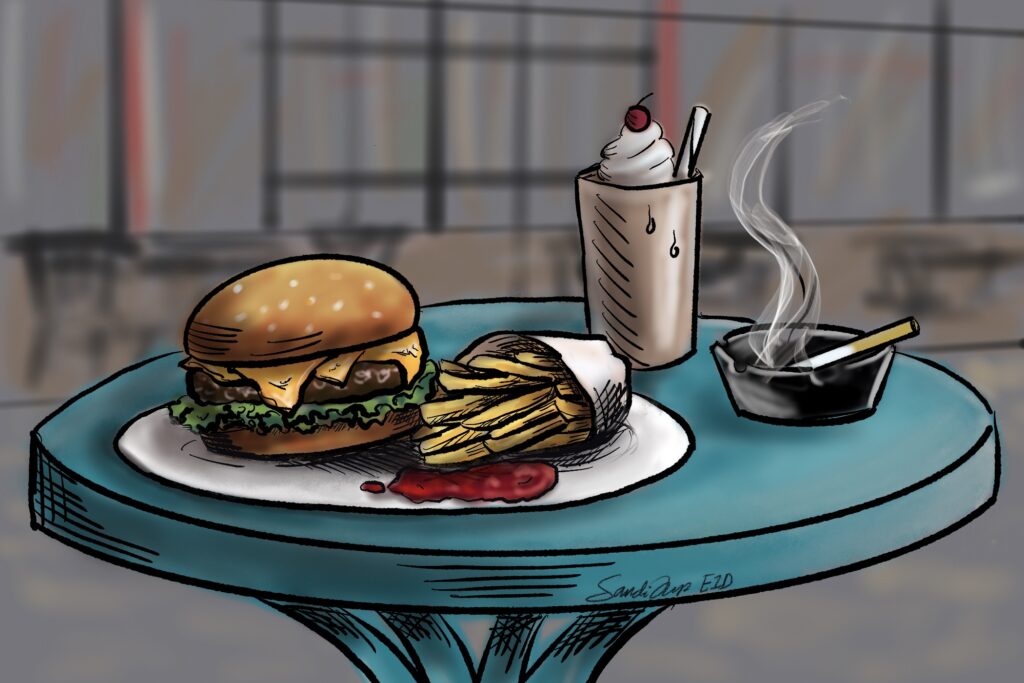
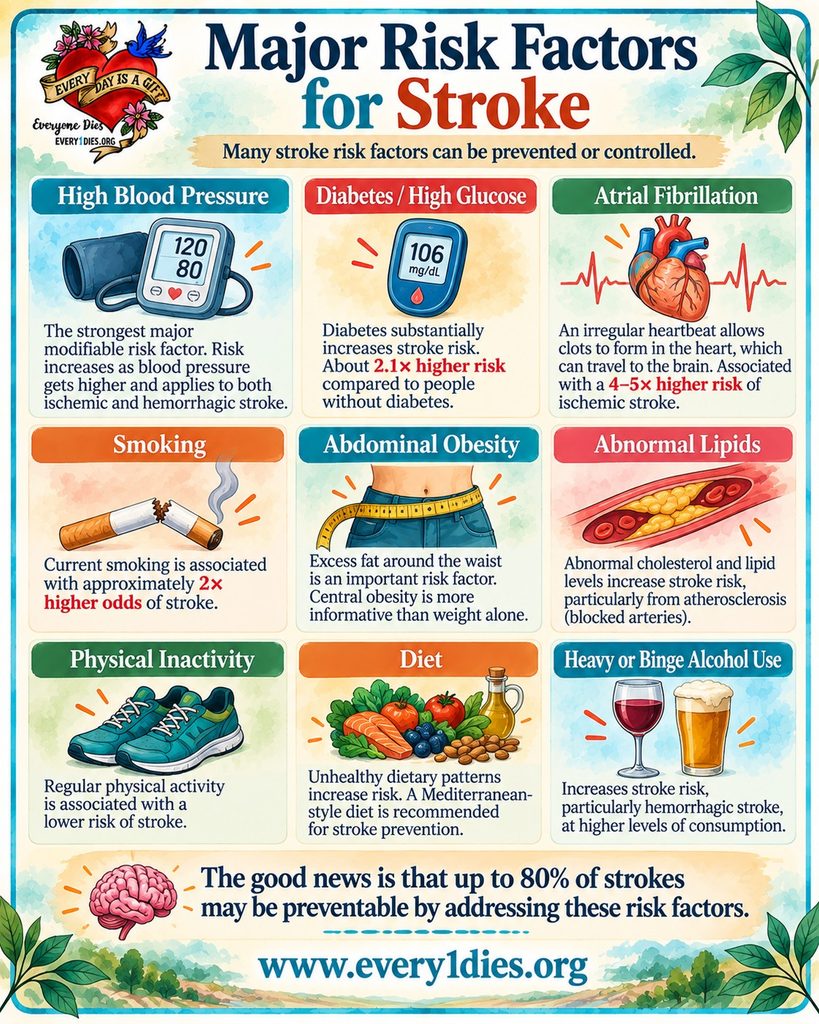
- S5E27: Preventable Death – Learn the Factors to Better Your Odds – Discover practical steps to target the controllable health and lifestyle factors—like blood pressure, diet, smoking, and activity—that can prevent the majority of strokes.
- S5E23: Slow Ride…Taking the Longer Road to Death – Examine how everyday lifestyle habits and chronic health choices gradually shape your long-term risk for serious vascular events like stroke.
- S6E29: The Beating Truth: Heart Disease and Heart Failure Explained – Explore how cardiovascular conditions and irregular heart rhythms directly impact circulation and long-term stroke risk.
- S6E15: Normal Pressure Hydrocephalus: Only the Good Die Young – Learn how subtle changes in balance, walking, and cognition can signal treatable neurological conditions that are frequently misdiagnosed.
- S7E06: Love, Dementia, and the Reality of “For Better or Worse” – Reflect on how families adapt when neurological illness reshapes daily routines, identity, and caregiving roles.
- S6E37: Don’t Let a Fall End It All: How to Stay Upright, Strong, and Independent as You Age – Discover practical strategies for managing balance challenges, medication side effects, and mobility changes to protect your independence.
References:
- RECIPE: Mini Taco Bites ~ Homemade Taco Bowls
- Arch, A. E., Weisman, D. C., Coca, S., Nystrom, K. V., Wira, C. R., 3rd, & Schindler, J. L. (2016). Missed Ischemic Stroke Diagnosis in the Emergency Department by Emergency Medicine and Neurology Services. Stroke, 47(3), 668–673. https://doi.org/10.1161/STROKEAHA.115.010613
- Chandratheva, A., Mehta, Z., Geraghty, O. C., Marquardt, L., Rothwell, P. M., & Oxford Vascular Study (2009). Population-based study of risk and predictors of stroke in the first few hours after a TIA. Neurology, 72(22), 1941–1947. https://doi.org/10.1212/WNL.0b013e3181a826ad
- Chen W. H. (2009). Cheiro-oral syndrome: a clinical analysis and review of literature. Yonsei medical journal, 50(6), 777–783. https://doi.org/10.3349/ymj.2009.50.6.777
- Lebedeva, E. R., Gurary, N. M., & Olesen, J. (2018). Headache in transient ischemic attacks. The Journal of Headache and Pain, 19(1), 60. https://doi.org/10.1186/s10194-018-0888-5
- Manning, S., King, B. R., Peffer, J., & Lescure, D. (2021). Cheiro-Oral syndrome. The American journal of emergency medicine, 39, 151–153. https://doi.org/10.1016/j.ajem.2020.09.064
Resources:
Mike Birbiglia, ‘The Good Life’:
- Why I Find Comedy in Difficult Places. Like My Dad’s Stroke. – The New York Times
- American Stroke Association: https://www.stroke.org/en/about-stroke/stroke-symptoms

Use the Feedspot RSS reader to find more.

Everyone Dies: and yes, it is normal!

Everyone Dies (and yes, it is normal) is a story about a young boy named Jax who finds something special on the beach where he and his grandpa Pops are enjoying a wonderful day. Pops helps Jax understand that death is a normal part of life. This book provides an age appropriate, non-scary, comfortable way to introduce the important topic of mortality to a preschool child. Its simple explanation will last a lifetime. Autographed copies for sale at: www.everyonediesthebook.com. Also available at Amazon
Mourning Jewelry

We offer a way to memorialize your loved one or treasured pet with a piece of handmade jewelry. When people comment on it and the wearer can say for example “I received this when my mother died” which opens the conversation about this loss. All our jewelry is made with semi-precious stones and beads, vintage beads, and pearls. You can choose between earrings or bracelets and the color family. Learn More