

Managing the Interconnected Variables of Care, Hospice Support, and Quality of Life in Advanced Illness
What happens when a sudden diagnosis gives you only months to live? In this episode of Everyone Dies, hosts MM and Charlie Navarrette explore what it means to live fully on the threshold of life’s final chapters.
First, we share the deeply moving, self-written obituary of Nora Patricia Keenan, who passed away from complications of colorectal cancer. With unapologetic honesty, Nora looks back at her journey through chaos, addiction, recovery, and growth, reminding us that a meaningful life isn’t about being spotless—it’s about being honest and showing up.
Then, we dive into a powerful discussion about former Nebraska Senator and University of Florida President Ben Sasse, who was diagnosed with Stage IV pancreatic cancer. Sasse is very open about how a terminal diagnosis brings acute clarity, his experience on a targeted clinical trial, and how he partners with his hospice doctor to navigate a complex algorithm of pain, nausea, fatigue, and GI symptoms. You’ll hear why he consciously chooses to tolerate a bit more physical pain in exchange for the energy and mental clarity needed to “redeem the time” with his wife and three children.
We close the episode with a beautiful reading of Rev. Henry Scott Holland’s classic poem, “Death Is Nothing at All.”
“Our studies of poetry, the philosophy, and indeed even the sciences taught us the world is beautiful, and we, more than material beings, are drawn to beauty, and we rightly recoil at death. We are from dust, and to dust we shall return. But we’re more than dust, we’re ensouled creatures with speech, reason and passions, and we should never rush past these truths.”
– Ben Sasse, former U.S. Senator, in a graduation speech
Timestamps
- 00:00 – Introduction: Honesty, Grit, and Redeeming the Time
- 02:18 – Recipe of the Week: Disappearing Dip
- 02:45 – Nora Patricia Keenan’s Incredible Self-Written Obituary
- 05:46 – Living on the Threshold: Senator Ben Sasse’s Journey with Stage IV Cancer
- 09:54 – Family, Faith and Survival – Sasse’s 60 Minutes Interview
- 24:40 – Poem: “Death Is Nothing at All” by Rev. Henry Scott Holland
- 27:15 – Outro
What Stage 4 Pancreatic Cancer Can Teach Us About Time, Family, and Living Well
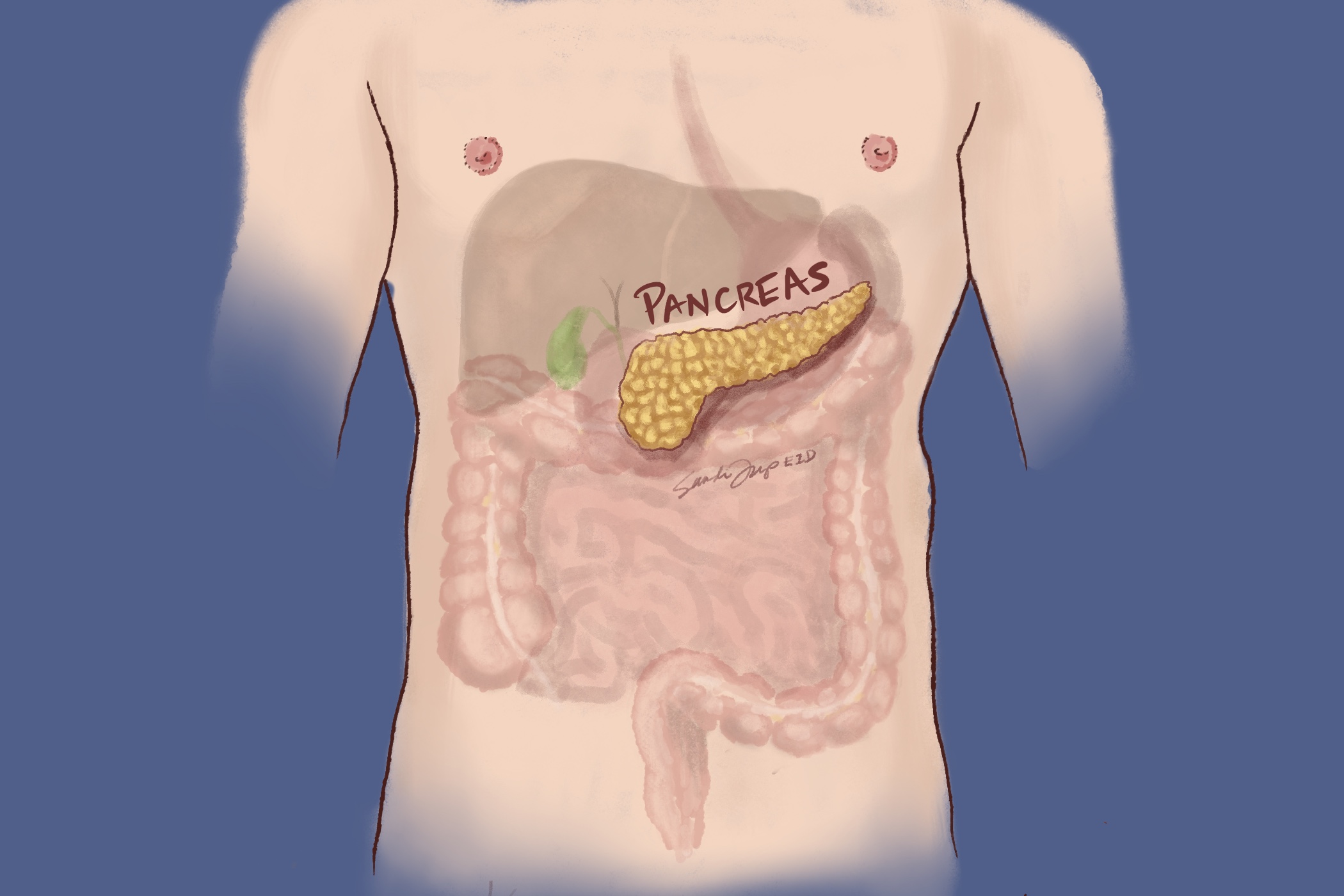
In December 2025, former United States Senator Ben Sasse publicly shared that he had been diagnosed with metastatic stage 4 pancreatic cancer. (How is Cancer Staged?) According to his own account, physicians initially estimated that he might have only a few months to live. As of June 2026, he remains alive and reports that he is doing better than he was at the time of his diagnosis. His story highlights both the unpredictability of cancer and the deeply personal ways that people respond to serious illness.
What Are the Early Pancreatic Cancer Symptoms to Watch For?
Many patients initially mistake the warning signs of advanced disease for minor injuries. Ben Sasse’s pancreatic cancer timeline shows that he was physically active before his diagnosis, attributing new back and abdominal pain to exercise-related injuries.
When his symptoms persisted, imaging studies instead revealed extensive metastatic disease involving multiple organs and blood vessels, making surgery impossible. This highlights how a formal pancreatic cancer diagnosis is frequently delayed because early pancreatic cancer symptoms mimic everyday aches and strains.
How Do Clinical Trials for Pancreatic Cancer Offer New Hope?
Because advanced metastatic pancreatic cancer is typically unresectable, standard treatments are often supplemented with experimental medicine. Senator Sasse entered a high-profile clinical trial involving daraxonrasib, an investigational targeted therapy being studied for certain solid tumors.
Participating in clinical trials for pancreatic cancer comes with unique challenges. Like many experimental therapies, it carries potential side effects; Sasse has spoken openly about visible facial changes resulting from his treatment. However, access to novel therapies is a major variable in individual survival rates. While statistics can inform expectations for populations, they cannot predict the exact path of anyone living with advanced cancer.
Prioritizing Family Communication During Serious Illness
Perhaps the most notable part of Sasse’s public reflections was not about medicine, but about priorities. Navigating a serious illness naturally forces a shift in focus toward intentional family communication. Sasse has spoken about concentrating his attention on his wife and three children, demonstrating that a life-limiting diagnosis can bring increased clarity about relationships, conversations, and the limited amount of time available to all of us.
The Importance of End-of-Life Planning and Palliative Care
Sasse has emphasized a reality that often goes unspoken: everyone dies. Facing mortality head-on highlights why proactive end-of-life planning is vital for any family. His experience underscores two major lessons for patients and clinicians alike:
- Clear communication matters: Patients need straightforward information from physicians rather than prolonged uncertainty. (S1E08: Receiving Bad News)
- Support systems are critical: Incorporating early hospice and palliative care structures can improve trust and support shared decision-making.
Learning to Plan for the Future
Stories like Sasse’s can encourage conversations that are often postponed: discussing personal values, documenting healthcare wishes, strengthening relationships, and making practical plans while there is still time.
As we often say on the Everyone Dies podcast: we’re here to help you learn so you can be prepared and make your wishes known, because Every Day is a Gift.
References:
- Ben Sasse’s final lesson on staying connected to one another: Ray Watford
- 5 Insights from Ben Sasse as He Faces His Last Days on Earth | Washington Stand
- Former Sen. Ben Sasse, dying of cancer, reflects on family, faith and the future of America | CBS News
- Opinion | How Ben Sasse Is Living Now That He Is Dying – The New York Times
- Nora Keenan Obituary – Rochester, MI
- Rev. Henry Scott Holland: “Death Is Nothing at All“.
Resources:
- Not Dead Yet hosted by Ben Sasse: We’re all dying, but some of us have been brought face to face with that reality. Reflecting on this certainty is part of a life well lived. However long we’ve got, it’s up to each of us to redeem the time. In this new podcast, hosts Ben Sasse and Chris Stirewalt talk with their guests about lives lived with gratitude, grit, and joy.
- ‘Happy Last Birthday Ben!’: Sasse Faces Death With Faith And Resolve
Related Episodes:
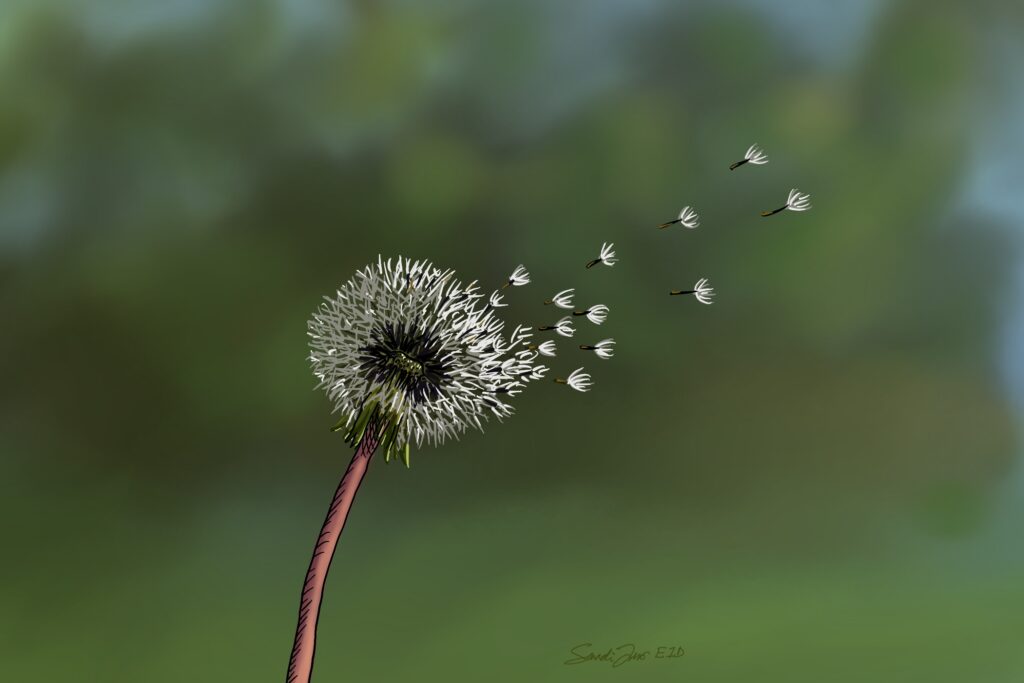
- S6E33: Vibrant Life in the Face of Metastasis: The Human Side of Cancer as a Chronic Illness – When advanced disease becomes a long-term reality, the journey changes. Learn about the incredible resilience of the human spirit that finds depth, clarity, and life’s true priorities when cancer is treated as a chronic illness.
- S5E52: Cancer Gone Wild – Learn All About Metastasis – Like the seeds of a dandelion drift on the wind and land other places, cancer can spread under the right conditions. How does cancer spread and why does it happen? We tackle these questions.
- S5E50: What is Meant by Cancer Staging? Learn the Language of a Cancer Diagnosis – Cancer staging communicates the extent of cancer in the body so that everyone involved is speaking the same language. Learn about stage, TNM, and subcategories.
- S4E21: Don’t Call it a Battle: Why We Need to Change our Metaphors for Serious Illness – We often use words like fighting, battle, and war for illness like cancer, but can “fighters” feel like failures when illness advances? Learn how can we do better.
- S3E43: How Accepting Death Can Improve Your Life – Learn about the Death Positive Movement and how to disarm fear and improve the time we have left by educating ourselves and preparing for our own mortality.
- S4E43: The Carters – Living Their Best Life to the End – Does choosing hospice mean the end? The Carters have shown us hospice is about holding hands, eating favorite foods, and living your best life, even while dying.
- S1E50: Writing an Obituary – An obituary is the story of a life – and writing one is an important way to honor and celebrate that life. Where do you start? We have some tips on ways to memorialize a loved one (or represent yourself) in an incredible way.

Use the Feedspot RSS reader to find more.

Everyone Dies: and yes, it is normal!
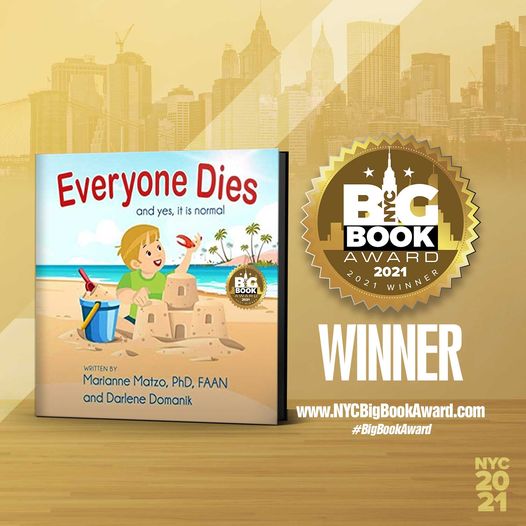
Everyone Dies (and yes, it is normal) is a story about a young boy named Jax who finds something special on the beach where he and his grandpa Pops are enjoying a wonderful day. Pops helps Jax understand that death is a normal part of life. This book provides an age appropriate, non-scary, comfortable way to introduce the important topic of mortality to a preschool child. Its simple explanation will last a lifetime. Autographed copies for sale at: www.everyonediesthebook.com. Also available at Amazon
Mourning Jewelry

We offer a way to memorialize your loved one or treasured pet with a piece of handmade jewelry. When people comment on it and the wearer can say for example “I received this when my mother died” which opens the conversation about this loss. All our jewelry is made with semi-precious stones and beads, vintage beads, and pearls. You can choose between earrings or bracelets and the color family. Learn More